
Agricultural Output Estimated to Have Declined in Q2 Amid El Niño and Rising Input Costs
AI-assisted original article by 1news, based on reporting from BusinessWorld. Featured image credited to the source.
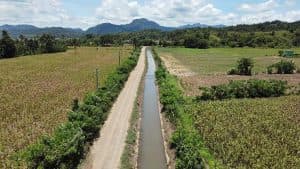
Agricultural production in the Philippines is estimated to have declined year on year in the second quarter of 2026, largely due to the onset of El Niño and rising costs of farm inputs such as fuel and fertilizer, which have been exacerbated by the ongoing Persian Gulf conflict. This assessment was shared by former Agriculture Secretary William D. Dar, who also highlighted delayed government assistance and insufficient technical support as additional factors that may have hindered the sector’s performance during the quarter.
Dar noted that fisheries and livestock sectors may not have experienced growth in the second quarter, while crop and poultry outputs showed only minimal gains. He described the situation as a “perfect storm” affecting agriculture, combining the effects of a strong El Niño, high input costs, and delayed government aid. According to Dar, despite agriculture’s relatively small contribution to the gross domestic product, its significant influence on food prices keeps it under close scrutiny, especially since food inflation during this period is considered a major driver of overall inflation.
He further explained that some farmers might have been reluctant to plant crops due to the anticipated challenges posed by El Niño and the elevated costs of fuel and fertilizer. This reluctance could lead to lower incomes for the farming sector. Dar emphasized that if rice production declines in the upcoming season, the government will need to intensify its efforts to provide assistance and strengthen the resilience of farmers.
Raul Q. Montemayor, national manager of the Federation of Free Farmers, echoed concerns about the second quarter’s agricultural output. He does not expect it to surpass the previous year’s level, primarily due to the energy crisis that has significantly impacted mechanized farming activities such as tilling, irrigation, and logistics. Montemayor pointed out that while palay (unmilled rice) and corn production increased year on year in the second quarter, they declined compared to the first quarter. He warned that the effects of high fertilizer prices and El Niño are likely to become more pronounced later in the year.
Department of Agriculture (DA) spokesman and assistant secretary for Special Concerns and Official Development Assistance, Arnel V. De Mesa, offered a cautiously optimistic perspective regarding the second quarter. He cited strong palay prices as a positive factor encouraging farmers, noting that rice constitutes a large portion of the sector’s output. De Mesa also mentioned ongoing trade negotiations with Japan, the European Union, and Canada, which could lead to increased exports and higher production of high-value commercial crops due to better prices.
To mitigate the impact of El Niño, the DA is directing its regional offices to maximize yields in areas less likely to be affected by the dry spell. De Mesa also called for improved water management strategies, including cleaning irrigation canals and utilizing shallow tube wells and solar-powered irrigation systems. He indicated that cloud seeding might be considered as a last resort if water shortages become severe.
The combined challenges of El Niño, rising input costs, and delayed government support present significant risks to the agricultural sector’s recovery and growth. Experts emphasize the need for timely interventions and enhanced resilience-building measures to sustain farm incomes, stabilize food supply, and manage inflationary pressures in the coming months.