
Arab League Warns Israeli Actions at Al-Aqsa Mosque Could Spark Regional Religious Conflict
An emergency meeting held in Amman, Jordan, this week brought together foreign ministers from 10 Arab League countries alongside representatives from Indonesia, Pakistan, Turkey, and Malaysia to address escalating Israeli actions at the Al-Aqsa Mosque compound in East Jerusalem. The ministers issued a stark warning that Israeli infringements on this sacred Islamic site risk igniting a religious conflict with consequences extending well beyond the Middle East, threatening both regional and international peace and security.
The meeting was convened by Jordan’s Foreign Minister Ayman Safadi amid growing concerns that the Israeli government is quietly altering a long-standing agreement designed to maintain intercommunal peace at the Al-Aqsa Mosque compound. This site holds profound religious significance not only for Muslims but also for Jews and Christians, making it a focal point of tension in Jerusalem.
Al-Aqsa Mosque, considered the third holiest site in Islam after Mecca and Medina, is also Judaism’s holiest site, believed to be the location of two ancient Jewish temples. Christians revere the site for its biblical associations with the life of Jesus Christ. Politically, the mosque symbolizes Palestinian identity and is central to Palestinian claims for East Jerusalem as the capital of a future state.
Following Israel’s occupation of East Jerusalem in 1967, a delicate status quo was established: Muslims retained the right to worship at Al-Aqsa, while Jewish visitors were permitted only to visit without praying, performing religious rituals at the nearby Western Wall instead. Jordan maintained its custodianship over the mosque through the Islamic Waqf, a religious trust funded by Jordan with an annual budget of approximately $20 million, while Israeli authorities managed security.
Recent developments, however, indicate this status quo is under strain. Reports reveal that dozens of mosque officials employed by Jordan have been barred from entering Al-Aqsa this year. The number of Muslim worshippers has reportedly halved during 2025, while Jewish worshippers have increased and are openly performing rituals previously forbidden, including the use of printed prayer sheets, a practice allowed by Israeli police for the first time in January 2026.
There have also been reports of an Israeli-US plan to transform the mosque area into a multifaith center, although US Secretary of State Marco Rubio denied knowledge of such a proposal. These changes have alarmed Muslim-majority countries and activists, who view them as attempts to undermine the mosque’s Islamic identity and alter its historic and legal status.
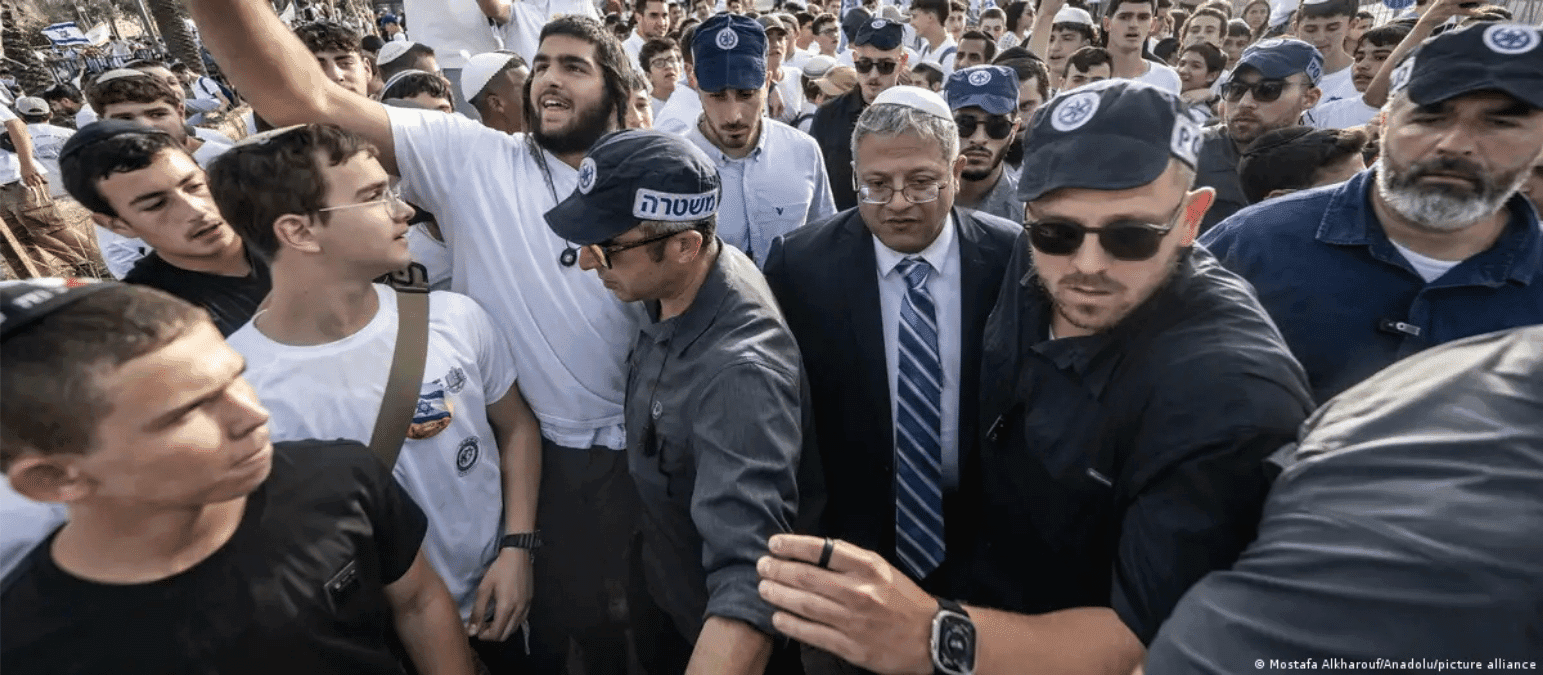
For decades, fringe Jewish groups known as the Temple Mount movement have demanded the right to pray at the site, with some extremists advocating for the mosque’s demolition to rebuild a Jewish temple. Once marginalized, these groups have gained visibility and influence, supported by over 100 rabbis linked to the settler movement in the West Bank. This shift has been accompanied by increased provocations and breaches of the status quo by Israeli politicians, including members of Prime Minister Benjamin Netanyahu’s Likud party, who face no repercussions for such actions.
Experts caution that any Israeli attempt to change the status quo at Al-Aqsa could provoke a global backlash. Joost Hiltermann, a Middle East adviser at the Crisis Group think tank, emphasized that the fate of Jerusalem’s Islamic holy sites concerns not only the Arab world but also major Muslim countries such as Indonesia, Pakistan, and Bangladesh. Past incidents, such as Ariel Sharon’s 2000 visit to Al-Aqsa and the 2017 installation of security measures, have triggered widespread violence and unrest.
The potential consequences of further Israeli infringements range from widespread protests in Muslim-majority countries to a catastrophic religious war, though the exact outcome remains uncertain. Arab regimes may criticize Israel vigorously but are unlikely to engage in direct confrontation, instead managing domestic outrage through rhetoric. Countries that have normalized relations with Israel, like Morocco and the United Arab Emirates, could face internal pressure to reconsider those ties.
The mosque’s centrality to Palestinian identity also means militant groups such as Hamas frequently invoke its defense to justify their actions, while Islamist extremist groups use the issue for recruitment. The situation remains volatile, with the international community closely watching developments at one of the world’s most contested religious sites.
AI-assisted original article by 1news, based on reporting from INQUIRER.net. Featured image credited to the source.