
Despite Criticism and Withdrawals, Most African Countries Maintain Commitment to the ICC
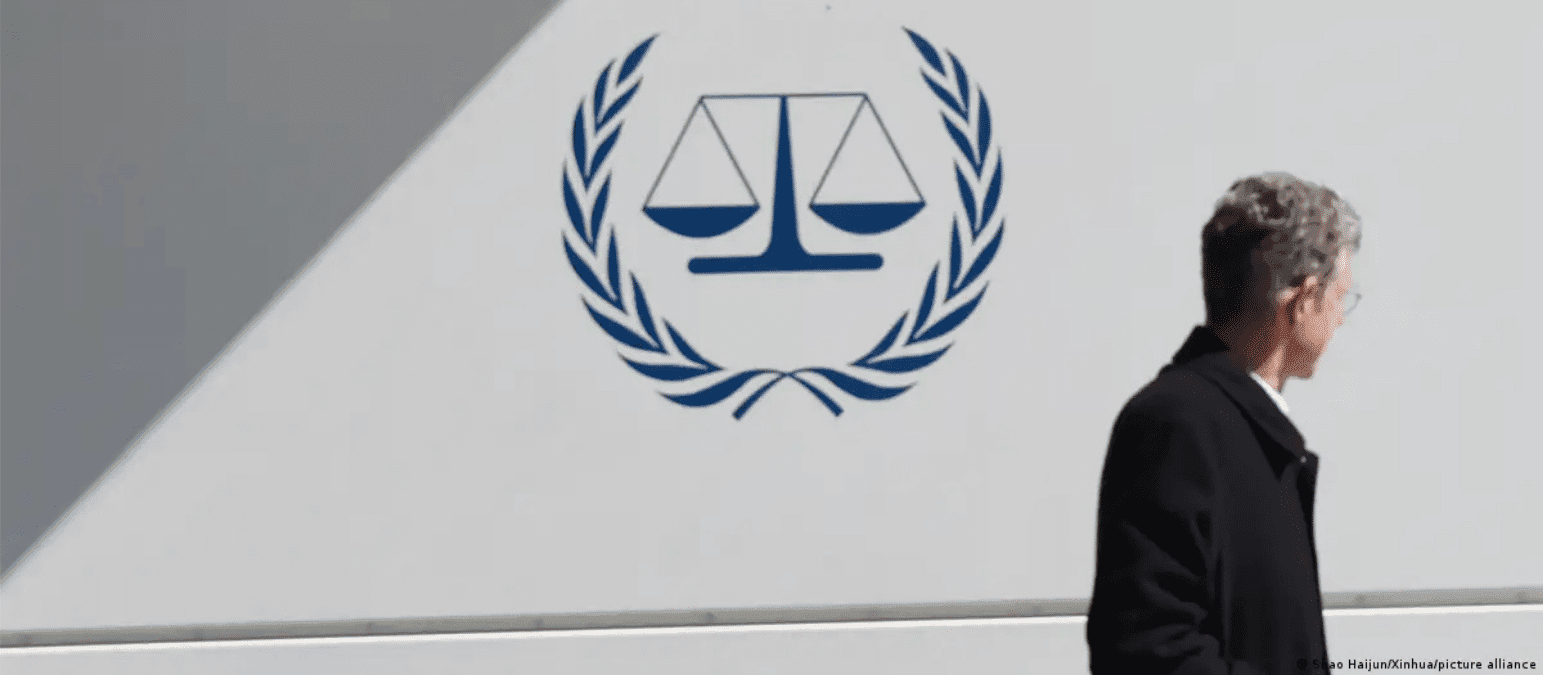
The International Criminal Court (ICC), established in 2002 to prosecute war crimes, genocide, and crimes against humanity, has faced persistent criticism from parts of Africa since its inception. Many African states have accused the court of disproportionately targeting the continent, a sentiment that has recently intensified, leading to a wave of withdrawals. In July 2026, Chad announced its withdrawal, citing the ICC’s limited effectiveness and perceived imbalance. Earlier, in September 2025, Mali, Burkina Faso, and Niger initiated their exit, accusing the court of serving as a neocolonialist instrument of the West. These withdrawals take legal effect one year after announcement.
Despite these departures, the ICC remains a critical institution for many African countries. Attila Kisla, head of the International Justice Group at the Southern Africa Litigation Centre in Johannesburg, emphasized that many early ICC cases originated from voluntary referrals by African states seeking assistance. Senegal was the first African country to sign the Rome Statute in 1998, the treaty that established the ICC, and today 33 African states—about 60% of the continent—are parties to it.
The ICC operates on the principle of complementarity, meaning it intervenes only when national courts are unwilling or unable to prosecute serious crimes. This framework is particularly relevant in African countries where domestic judicial systems often lack the capacity or political will to hold perpetrators accountable. According to Christopher Isike, a professor of international relations at the University of Pretoria, several African states, including Uganda, the Democratic Republic of the Congo, and Mali, have requested ICC intervention precisely because of these limitations.
However, the ICC’s image has been challenged by the absence of significant proceedings against individuals from powerful Western states, which has fueled perceptions of bias. The United States, not a member of the ICC, has exerted considerable pressure on the court and its supporters, even declaring intentions to dissolve it. This geopolitical context complicates the ICC’s operations and contributes to skepticism among some African governments.
The ICC has also issued arrest warrants for high-profile figures such as Vladimir Putin and Benjamin Netanyahu, despite Russia and Israel not being ICC members. This has further politicized the court’s work. In this environment, the continued membership of many African countries is significant. Kisla noted that their decision to remain reflects a conscious commitment to upholding international justice amid political attacks on the ICC.
Human rights organizations like Amnesty International view the withdrawals as setbacks for justice in the affected countries. Alice Banens, a legal expert at Amnesty’s regional office for West and Central Africa, warned that victims of war crimes and crimes against humanity in these states lose their last avenue for justice when domestic systems fail. She described the withdrawals as attacks on the integrity of the international justice system and called for criticisms to be addressed within the ICC’s Assembly of State Parties.
Some African countries have reversed withdrawal decisions in the past. South Africa, for example, initiated withdrawal in 2016 but halted the process in 2017 after refusing to arrest Sudan’s then-President Omar al-Bashir, who was wanted by the ICC for war crimes. This illustrates the complex interplay between national politics and international obligations.
Despite perceptions that the ICC focuses disproportionately on Africa, Banens clarified that investigations are increasingly active outside the continent, including in Afghanistan, the Palestinian territories, Venezuela, the Philippines, and Ukraine. Some states argue that the ICC interferes with domestic legal processes and national reconciliation, a criticism shared by major powers like the US, Russia, and China, none of which recognize the ICC’s jurisdiction.
Isike highlighted that many African governments do not reject international justice but seek a more universal and uniform system that avoids accusations of political selectivity. For some, remaining in the ICC signals a commitment to human rights, democratic governance, and international law, enhancing diplomatic credibility as a form of soft power.
In sum, while the ICC faces challenges and criticism, especially from some African states, the majority of African countries continue to support the court. Their membership underscores a dedication to the rule of law and ensures that victims have access to justice when national systems fail, maintaining the ICC’s role as a vital mechanism for accountability in the international community.
AI-assisted original article by 1news, based on reporting from INQUIRER.net. Featured image credited to the source.