
Diesel and Gasoline Prices in Metro Manila Reach P100 per Liter Amid Middle East Tensions
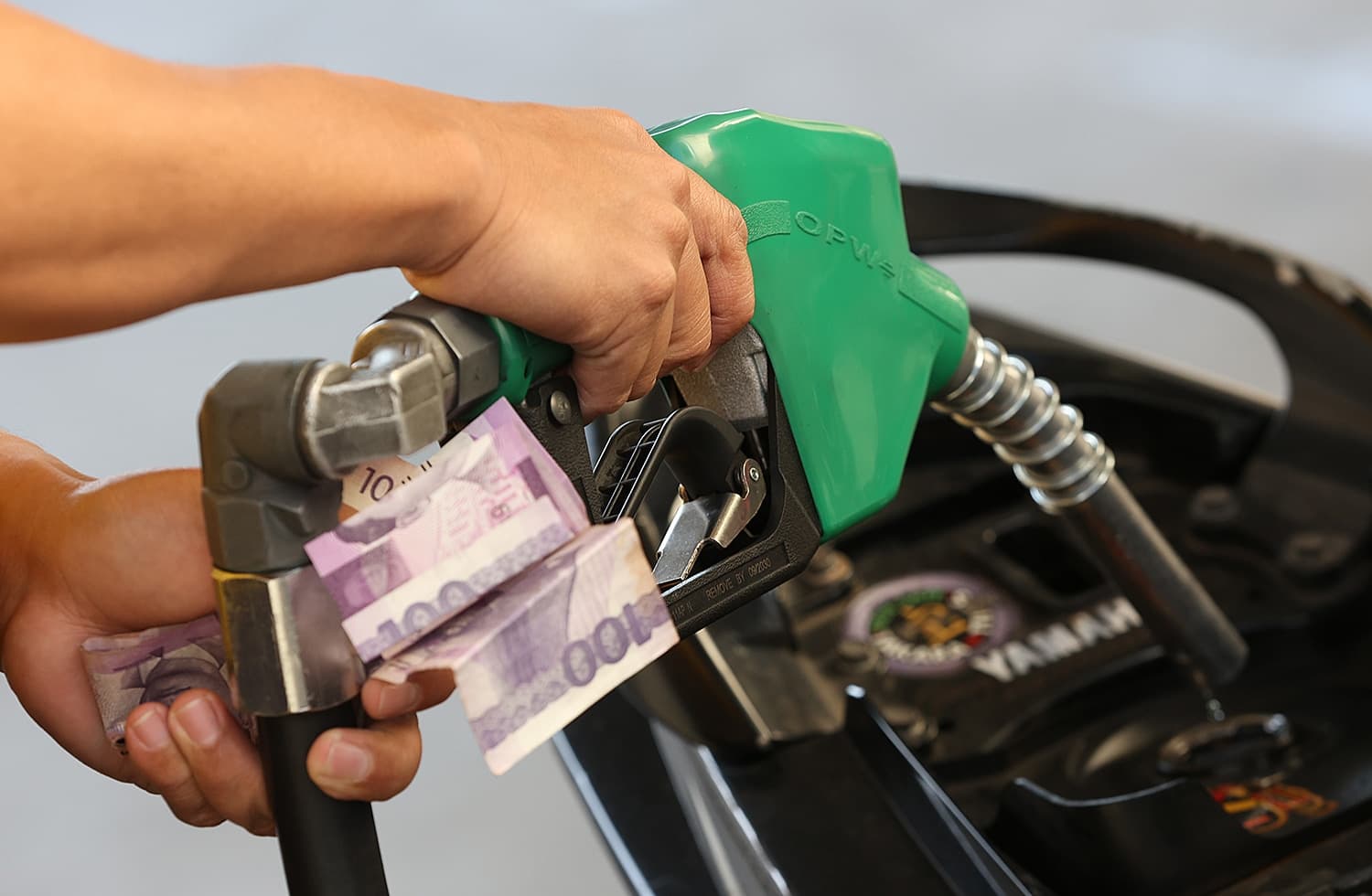
Diesel and gasoline prices in Metro Manila surged to as high as P102 per liter on Tuesday, marking a return to the P100 price level. This increase follows ongoing conflicts in the Middle East and a fuel price hike of approximately P5 per liter implemented by oil companies. The Department of Energy (DOE) attributed the rise primarily to higher international oil prices driven by renewed tensions affecting energy flows in the Middle East, compounded by the depreciation of the Philippine peso against the US dollar, which increases the cost of imported fuel.
Energy Secretary Sharon Garin explained in a media briefing that the peso’s weakening against the dollar adds pressure on domestic pump prices since fuel imports are paid for in US dollars. The DOE authorized local retailers to raise prices by up to P4.69 per liter for gasoline, P5.18 per liter for diesel, and P5.58 per liter for kerosene, with kerosene experiencing the largest increase.
Prior to these adjustments, retail prices in Metro Manila ranged from P66.06 to P97.35 per liter for gasoline, P75 to P97.50 for diesel, and P95.30 to P130.52 for kerosene. Rino Abad, director of the DOE’s Oil Industry Management Bureau, described these price levels as already quite elevated, with diesel and gasoline nearing the P100-per-liter threshold.
Abad recalled that the peak of the price surges occurred in April during intensified bombings between the United States and Iran, as well as fighting between Israel and Hezbollah in Lebanon, when prices reached as high as P155 per liter. The current geopolitical instability continues to affect global oil markets and, consequently, local fuel prices.
The Philippines faces challenges in securing fresh fuel supplies due to the absence of its own refinery and storage facilities. The government mandates local fuel companies to maintain minimum inventory levels of petroleum products and crude oil to mitigate supply disruptions. To strengthen fuel security, the country is accelerating efforts to develop a national fuel reserve system.
In May, Japan’s Ministry of Economy, Trade and Industry pledged support to the Philippines by assisting with feasibility studies and capacity building for the fuel reserve project. The DOE has already submitted a concept note to its Japanese counterparts as part of this collaboration.
Additionally, Saudi Aramco has proposed establishing an export hub in the Philippines to store crude oil. This facility would enable local refiners, such as Petron Corporation—the country’s sole refiner—to purchase crude oil directly from Aramco’s storage, potentially enhancing supply stability and reducing vulnerability to international market fluctuations.
AI-assisted original article by 1news, based on reporting from INQUIRER.net. Featured image credited to the source.