
DLSU Researchers Explore Abaca Fiber for Sustainable Radiation Protection and Advanced Shielding
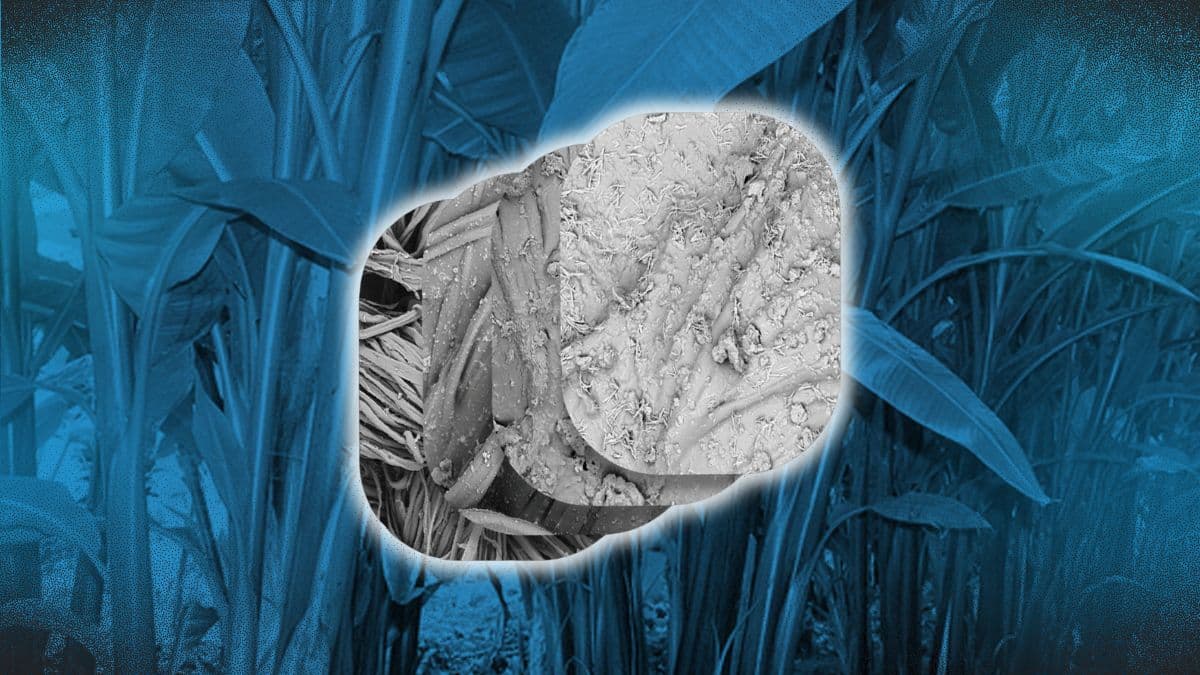
Researchers at De La Salle University (DLSU) in the Philippines are investigating the use of abaca fiber, derived from the Musa textilis plant, to develop durable and sustainable protective materials for health care workers, military personnel, and astronauts. Abaca, primarily grown in the Philippines, is known for its exceptional strength, with tensile properties comparable to certain metals, making it a promising candidate for high-performance applications.
The research team, led by Gil Santos, chair of the DLSU Department of Physics and head of the university’s iNano Research Facility and Solid State Physics Laboratory, is applying nanotechnology to enhance abaca’s properties. Collaborators Christopher Que, Tonibeth Lopez, and Normie Lacubtan are working to identify which abaca varieties are best suited for specific uses, particularly in medicine and engineering.
DLSU emphasized that this research highlights the potential of locally sourced materials to address complex challenges. Santos noted the Philippines’ position as the world’s top abaca supplier and expressed optimism about leveraging this abundant resource to protect frontline health workers from X-ray radiation. The team is also exploring military applications, including using abaca composites as protective shields and for electromagnetic interference (EMI) shielding.
EMI shielding is critical in preventing signal degradation caused by electromagnetic waves, such as cellphone signal weakening due to interference. The researchers are developing composite materials that combine the flexibility of natural abaca fibers with engineered particles to provide effective radiation and EMI protection.
Beyond technical benefits, the project carries significant socioeconomic and environmental implications. Unlike conventional shielding materials that rely on heavy metals, abaca-based composites are biodegradable and renewable. The natural growth cycle of abaca, especially in regions like Catanduanes, ensures a steady supply, which could bolster local agricultural economies.
Santos highlighted that shifting from exporting raw abaca fiber to manufacturing high-value composite materials could increase farmers’ incomes and stimulate rural industries. This approach supports sustainability by using indigenous, naturally replenishing materials to protect health workers, military personnel, and astronauts, while simultaneously promoting local community development.
The initiative is supported by the Department of Science and Technology through the Philippine Council for Agriculture, Aquatic and Natural Resources Research and Development and the Philippine Council for Industry, Energy and Emerging Technology Research and Development. The research team is conducting tests and validation in collaboration with the Philippine Fiber Industry Development Authority and the Philippine Nuclear Research Institute to assess the composites’ performance under various radiation exposure levels.
Looking ahead, Santos suggested that further studies could explore the composites’ applications in defense and communications, particularly in environments where electromagnetic interference affects signal transmission. This research represents a promising step toward sustainable, locally sourced protective materials with broad applications across health, military, and aerospace sectors.
AI-assisted original article by 1news, based on reporting from INQUIRER.net. Featured image credited to the source.