
DOJ Epstein Files Release Leaves Survivors’ Identities Vulnerable Despite Redactions
AI-assisted original article by 1news, based on reporting from INQUIRER.net. Featured image credited to the source.
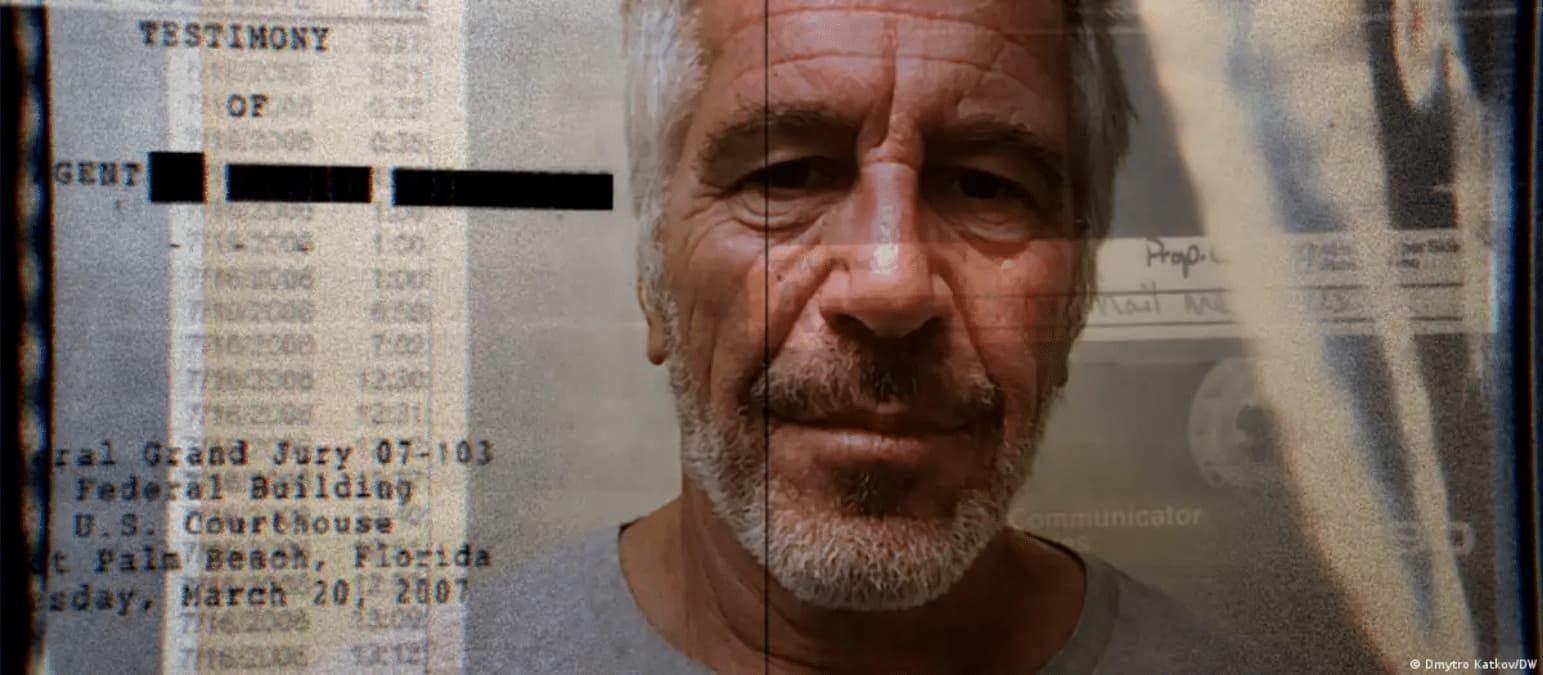
A sexual abuse survivor testified before US lawmakers in May that she lives in constant fear after her personal information was exposed in January when the Department of Justice (DOJ) released hundreds of thousands of documents related to Jeffrey Epstein. She expressed concern about the long-term consequences of this exposure on her life. Three days after the DOJ published the largest of twelve Epstein-related datasets on January 30, a department lawyer acknowledged in federal court that “human or technical error” contributed to the release of personally identifying information of Epstein’s victims and associates. The DOJ committed to removing, reviewing, and redacting flagged documents before republishing them.
Deutsche Welle’s investigative and data teams spent months analyzing thousands of documents from the DOJ’s Epstein Library. Over six months, they identified dozens of files still containing names, faces, email addresses, and other details that could identify survivors, witnesses, and informants. By mid-February, DW had scraped over 800,000 files from the DOJ archive, a difficult task complicated by the archive’s constant changes—new files were added, some removed, and others modified or reappeared after temporary removal.
DW later obtained an earlier archive of Epstein files from a public data preservation project on GitHub and discovered that their February collection was missing more than 500,000 files compared to the earlier version. To verify the original release’s contents, DW generated unique digital fingerprints (hashes) for each document. Comparing these hashes with files scraped two weeks later allowed DW to identify which documents remained unchanged, which were removed, and which had been altered. Some files had the same names but differed in size, indicating further redactions or added information.
One notable example involved a survivor’s testimony describing years of abuse by Epstein during her minority. Her name was redacted throughout the transcript except on the last page, where a lawyer thanked her by name. This unredacted name remained visible as of the article’s publication.
To analyze audio files, including victim statements and tipoffs, DW collaborated with the Fraunhofer Institute for Digital Media Technology’s Media Distribution and Security (MDS) research group in Germany. The MDS specializes in detecting audio authenticity, manipulation, and speech synthesis. After removing duplicates from both the public archive and DW’s collection, over 150 audio files were analyzed using advanced forensic tools that detect inaudible digital traces left by audio production and editing.
The forensic analysis identified altered or reused parts of recordings, connections between different files, and whether recordings shared the same microphone or setup. Researcher Milica Gerhardt noted inconsistent redaction styles across audio files and observed that many personal details remained unredacted. In one case, a caller to an official tipoff hotline had their name audible but phone number bleeped out in one version of the recording. However, another version of the same audio contained the caller’s full name and direct contact information, indicating that alleged witnesses and informants were not afforded the same protections as victims.
Patrick Aichroth, head of the MDS group, emphasized the importance of careful handling of such sensitive material in court cases, warning that once identifying information is disclosed, the damage is irreversible. DW presented these findings to the DOJ, highlighting examples where survivors’ personally identifiable information remained accessible in the official Epstein Library.
In April, the DOJ’s Office of the Inspector General announced an audit of the department’s compliance with the Epstein Files Transparency Act, aiming to evaluate processes for identifying, redacting, and releasing records as mandated by the law. In July, lawmakers introduced the Epstein Files Transparency Act II, which would empower survivors and state governments to sue the DOJ for failing to protect survivors’ identities as required by the original act.
Survivors whose information was exposed unredacted have reported harassment, humiliation, and physical threats. Despite efforts to remove or redact sensitive information, some data remains publicly accessible on various platforms and, in some cases, still on the DOJ website, continuing to disrupt survivors’ lives. The survivor who testified to Congress expressed frustration that while wealthy and powerful individuals remain shielded by redactions, her name was exposed to the world, underscoring a perceived unwillingness among authorities to acknowledge their role in the harm caused.