
Drone Strikes Devastate El-Obeid, Deepening Humanitarian Crisis and Trauma Among Children
AI-assisted original article by 1news, based on reporting from INQUIRER.net. Featured image credited to the source.
The Sudanese city of El-Obeid has suffered extensive destruction from drone attacks carried out by the paramilitary Rapid Support Forces (RSF), severely damaging civilian infrastructure including power grids, water treatment plants, schools, universities, and hospitals. Footage released by the nonpartisan Sudanese media outlet Ayin Network shows flattened houses and rubble where a school once stood, underscoring the scale of devastation in the capital of North Kordofan.
El-Obeid, once home to around half a million people, now shelters several hundred thousand displaced individuals amid a siege-like situation. Ahmed Awad, a native of El-Obeid and project manager for the children’s rights organization Plan International, described the dire conditions faced by the local population. Medical supplies, food, and clean water are in short supply, with long queues forming at limited water pumps. Children and teenagers are often tasked with fetching water, sometimes spending an entire day to secure just one liter that must last several days.
The psychological toll on children has been profound. Awad reported that a drone strike hit a primary school, killing three children and instilling widespread fear among students. Many children now avoid attending school due to the constant threat of drone attacks. Parents have expressed deep concern, with one mother noting that three of her children suffer from insomnia caused by fear of further strikes. Plan International is providing psychological support to help children cope with the trauma.
Strategically, El-Obeid is a critical trading hub located on the only major route between Sudan’s capital, Khartoum—controlled by the Sudanese Armed Forces (SAF)—and the western Darfur region, where large areas are under RSF control. The city is currently held by the army, which has deployed approximately 13,000 soldiers. However, RSF forces have advanced to within about 30 kilometers of the city limits and have intensified drone bombings targeting civilian infrastructure.
Analysts, aid organizations, and the United Nations have warned that the RSF may soon capture El-Obeid, raising fears of a repeat of the devastating siege and capture of El-Fasher in North Darfur in October 2025. That event involved an 18-month siege preceded by infrastructure bombings and was marked by atrocities identified by a UN Fact-Finding Mission as bearing “hallmarks of genocide.”
Human rights organizations have issued joint appeals warning that escalation around El-Obeid could lead to similar human rights violations and abuses against civilians. The UN’s special envoy for Sudan, Pekka Haavisto, highlighted in June that ongoing hostilities and frequent drone strikes are already harming civilians and disrupting humanitarian aid, with any further escalation risking thousands of lives.
The impact on children remains a particular concern. Francesco Lanino, deputy country director of Save the Children in Sudan, emphasized the severe trauma caused by drone attacks on schools and displacement camps. During a recent visit to the Tawila displacement camp near El-Fasher, Lanino encountered children who were unable or unwilling to speak about their experiences, struggling to comprehend the violence they had endured. He warned that unaddressed trauma could fuel cycles of revenge and future violence.
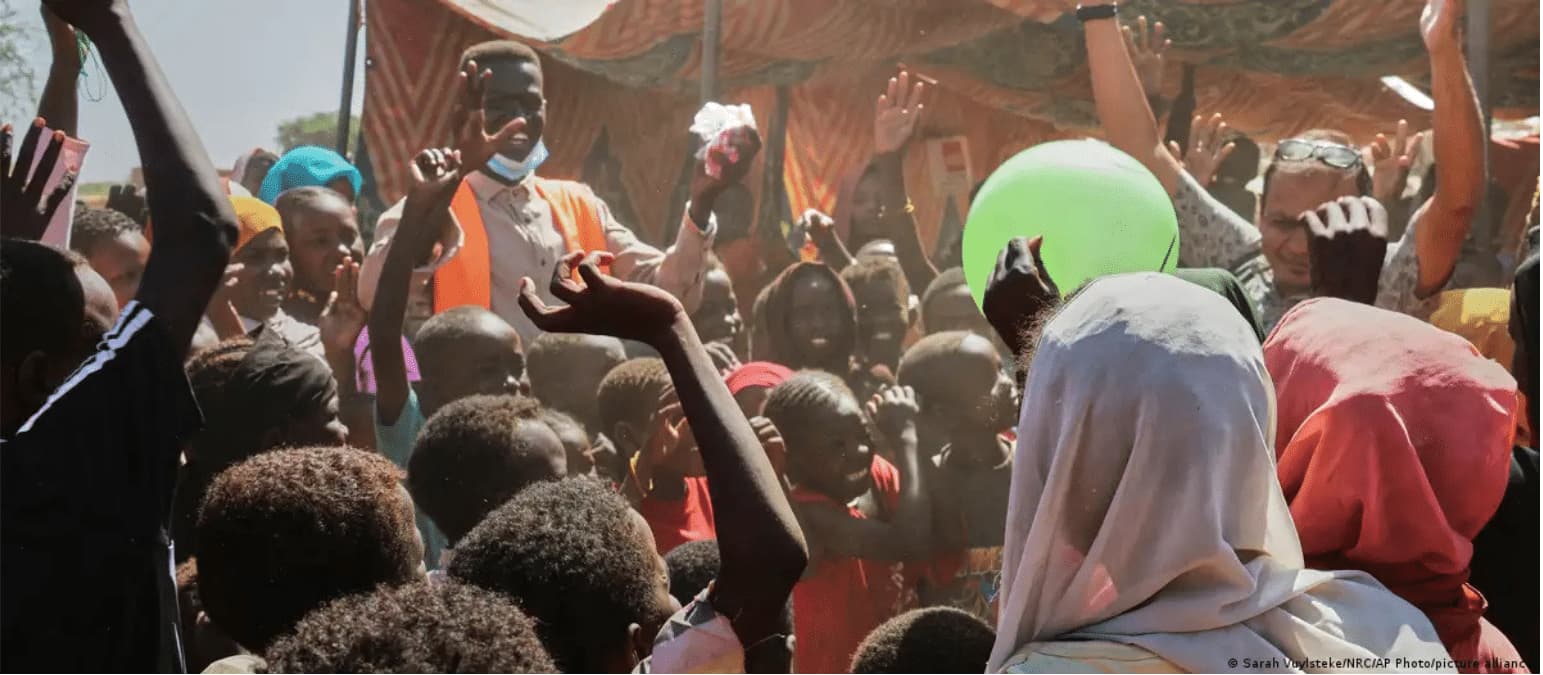
In response to the conflict, Sudan’s army has launched a new offensive in Kordofan from Khartoum and announced control over the 360-kilometer highway connecting Omdurman, Khartoum’s twin city, with El-Obeid. SAF Chief of Staff Abdel-Fattah al-Burhan inspected the newly captured areas and praised his troops. The reopening of supply routes to SAF units in El-Obeid has been welcomed by residents, who celebrated the apparent easing of immediate threats.
However, as RSF forces retreated, reports emerged of looting in markets and villages across North Kordofan, along with human rights violations against local residents, according to the Sudan Tribune. RSF commander Mohamed Hamdan Dagalo, known as “Hemeti,” recently instructed commanders in affected areas to launch counteroffensives at their discretion without waiting for high command orders, raising concerns about potential further attacks on civilians and additional looting.