
Flights Resume Gradually in Indonesia Following Anak Krakatau Eruption
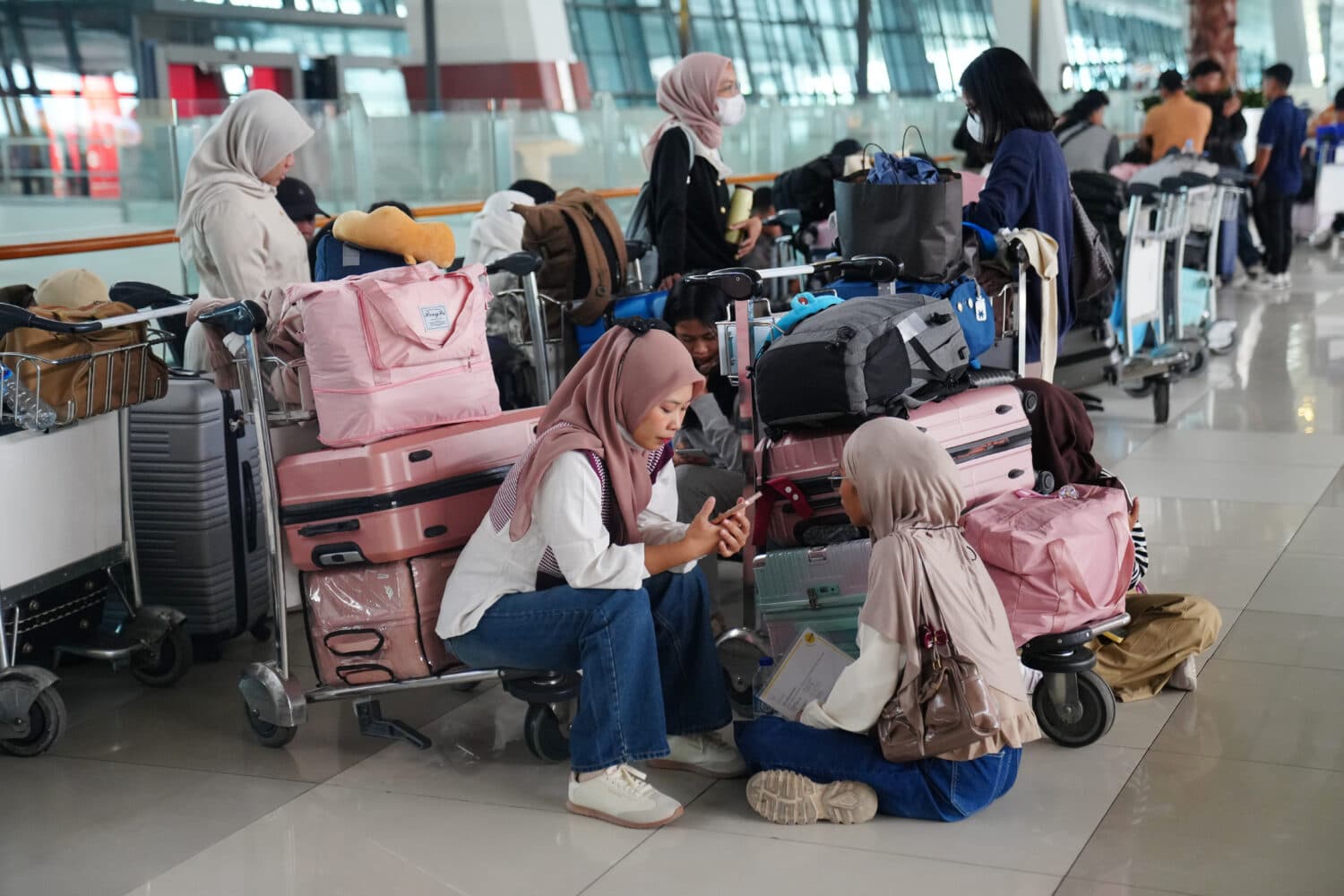
Indonesia began restoring air travel on Tuesday after a volcanic eruption forced the closure of several major airports for multiple days, disrupting nearly 3,000 flights and stranding over 340,000 passengers. The eruption of Anak Krakatau, located in the strait between Java and Sumatra, led to widespread suspension of operations at key airports, including the country’s main hub serving the capital, Jakarta.
Authorities reopened Soekarno-Hatta International Airport in Jakarta along with four other airports early Tuesday after clearing volcanic ash from runways and critical infrastructure. Airport operator Angkasa Pura Indonesia confirmed that the ash had been removed from the runway and surrounding areas to ensure safety for incoming and outgoing flights.
Transport Minister Dudy Purwagandhi cautioned that while flights were resuming, it would take time for schedules to normalize. He noted that approximately 178 aircraft remained grounded at Soekarno-Hatta airport and emphasized the importance of conducting thorough inspections to verify their airworthiness before allowing them to operate again. The minister asked for patience from passengers and the public during this process.
Shortly after reopening, three flights departed from Soekarno-Hatta, including two commercial flights bound for eastern Indonesia. This marked the initial phase of a gradual resumption of air travel following the disruption caused by the volcanic activity.
Anak Krakatau, which translates to “Child of Krakatau,” has been intermittently active since it emerged nearly a century ago from the caldera formed by the catastrophic 1883 eruption of Mount Krakatau. The volcano erupted at least three times on Tuesday morning, according to Lana Saria, head of Indonesia’s Geology Agency.
The 2018 eruption of Anak Krakatau triggered a partial collapse of the volcano, which in turn caused a tsunami that killed more than 400 people and displaced thousands along the coasts of Sumatra and Java. This history underscores the ongoing risks posed by the volcano’s activity.
The recent eruption led to the closure of eight airports and affected hundreds of thousands of passengers, highlighting the significant impact volcanic ash can have on aviation safety and operations. Authorities continue to monitor the situation closely to determine when full flight operations can safely resume across the affected regions.
AI-assisted original article by 1news, based on reporting from INQUIRER.net. Featured image credited to the source.