
Floods Trigger Widespread Tourism Cancellations Across Nepal’s Key Destinations
KATHMANDU — The devastating floods along the Bhotekoshi River have begun to severely impact Nepal’s tourism sector, with hotels in major destinations reporting a surge in cancellations just as the peak autumn tourist season commences. Both domestic and international travelers have withdrawn plans following widespread reports portraying Nepal as unsafe after the August 26 disaster, leaving once-bustling tourist hubs eerily quiet.
Hotels in Pokhara, Chitwan, and Lumbini have seen significant drops in occupancy. In Chitwan’s Sauraha, a popular gateway to wildlife tourism, hotel occupancy has plummeted below 5 percent, according to the Regional Hotel Association. Suman Ghimire, former president of the association, noted that most rooms in his 34-room Jungle Safari Lodge remain empty due to cancellations. Although the Bhotekoshi flood did not directly damage Chitwan, the destination is suffering from negative international perceptions and travel advisories.
The Krishnabhir section of the highway, a key route to Chitwan, was washed away by the floods, deterring road travelers. However, alternative routes such as the Hetauda-Kathmandu road, Tribhuvan Highway, and Hetauda-Kulekhani road remain operational, and air travel from Kathmandu to Bharatpur is unaffected. Despite this, misinformation has led to a sharp decline in visitors.
Royal Tulip Chitwan Hotel, with 65 rooms, has experienced cancellations of approximately 80 percent, according to its chairman, Rameshwar Sah. He emphasized that while the destinations themselves remain unaffected, rumors and misleading reports have severely damaged the tourism sector. Sauraha alone has around 125 hotels capable of accommodating 8,000 tourists daily, but most are currently vacant.
Other large hotels in Patihani and Meghauli are also struggling. Choplal Pandey, general manager of Soaltee Westend Chitwan Resort, reported a 40 percent cancellation rate, including bookings through November. Similarly, Pokhara, Nepal’s prominent tourist city, faces challenges due to the floods and damage to the Prithvi Highway at Krishnabhir. Hari Bhujel, chairman of the Tourism Council, stated that up to 30 percent of hotel bookings have been cancelled so far.
The closure of the Prithvi Highway, increased airfares, limited flights between Pokhara and Kathmandu, and continued charging of dollar-denominated fares to foreign tourists have compounded the difficulties. The damage has also disrupted Indian tourists traveling from Sunauli to Pokhara and onward to religious sites. Rising fuel prices are expected to further reduce domestic tourist arrivals.
Lumbini, the birthplace of Buddha, is also experiencing a decline in visitors. Lilamani Sharma, president of the Lumbini Hotel Association, noted cancellations of foreign tourist bookings, including those for the peak October-November season. The cancellations stem from international reports suggesting widespread flood damage across Nepal, despite the fact that only certain road sections have been affected and conditions are improving.
Hotel operators in Lumbini have called on the government to actively communicate with foreign diplomatic missions and international media to clarify that major tourist destinations remain safe and accessible. Bhavishwar Adhikari of Hotel Hokke reported cancellations of 100 room-nights over two months, warning that failure to correct misinformation could severely harm the tourism sector.
The problem is exacerbated by inadequate communication and exaggeration of localized road issues. Prakash Bhattarai of Shakya Guest House urged local and federal governments to prioritize accurate information dissemination alongside repair and maintenance efforts to revive tourism. Indian tourists arriving on package tours through border points have also cancelled trips due to fears about flood damage in the Himalayan region.
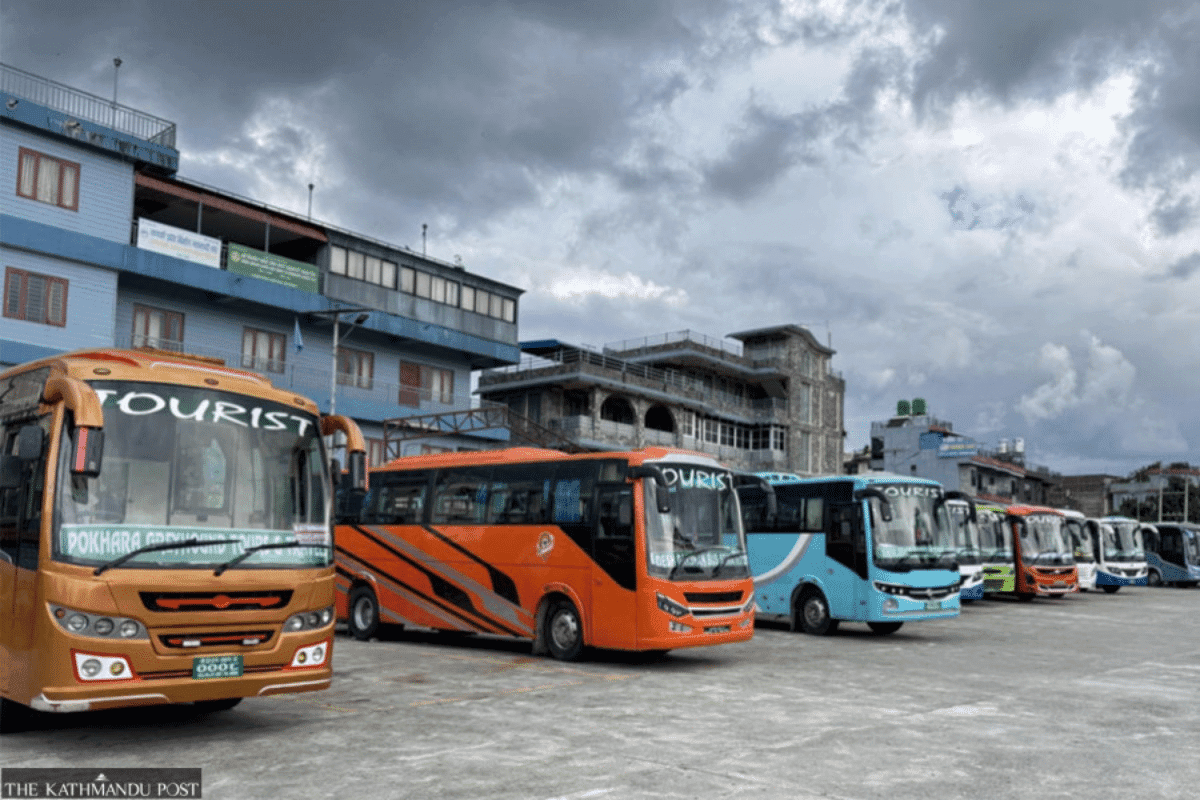
The normally busy tourist bus park at Mustang Chowk in Pokhara is now deserted, with significantly fewer buses operating. Buddhi Sagar Paudel of the Prithvi Highway Bus Operators Company reported that only buses to Chitwan and Lumbini are currently running. The Nepal Association of Tour and Travel Agents (NATTA) Gandaki is exploring alternative routes to bypass damaged sections, including a suspension bridge crossing at Krishnabhir to reach Jyāmire and then Benighat.
A diversion at Krishnabhir is under construction and expected to open within a week, though its long-term viability is uncertain. Large vehicles cannot currently use the Tribhuvan Highway from Hetauda to Naubise, directly affecting nearly 1,000 tourism-related businesses and workers. Meanwhile, the Lumbini Development Trust has affirmed that Lumbini and surrounding major tourist sites remain completely safe and open to visitors.
Himal Upreti, acting member-secretary of the trust, emphasized that the recent floods have not impacted the greater Lumbini area. He highlighted the importance of reassuring the international community that Lumbini is accessible and safe, countering the negative message that the entire country is experiencing hardship. The trust also underscored the relevance of Buddhist values of compassion and harmony during relief and recovery efforts.
The tourism industry in Nepal, which contributes nearly 7 percent to the national GDP, faces significant losses estimated at over Rs 50 billion. The timing of the floods, just before the critical autumn trekking and tourist season, has intensified the impact. Industry leaders stress the urgent need for accurate communication and infrastructure repair to restore visitor confidence and support the livelihoods of millions dependent on tourism.
AI-assisted original article by 1news, based on reporting from INQUIRER.net. Featured image credited to the source.