
Illegal Hydraulic Mining Near Tampakan Project Raises Nepal-Style Flash Flood Concerns
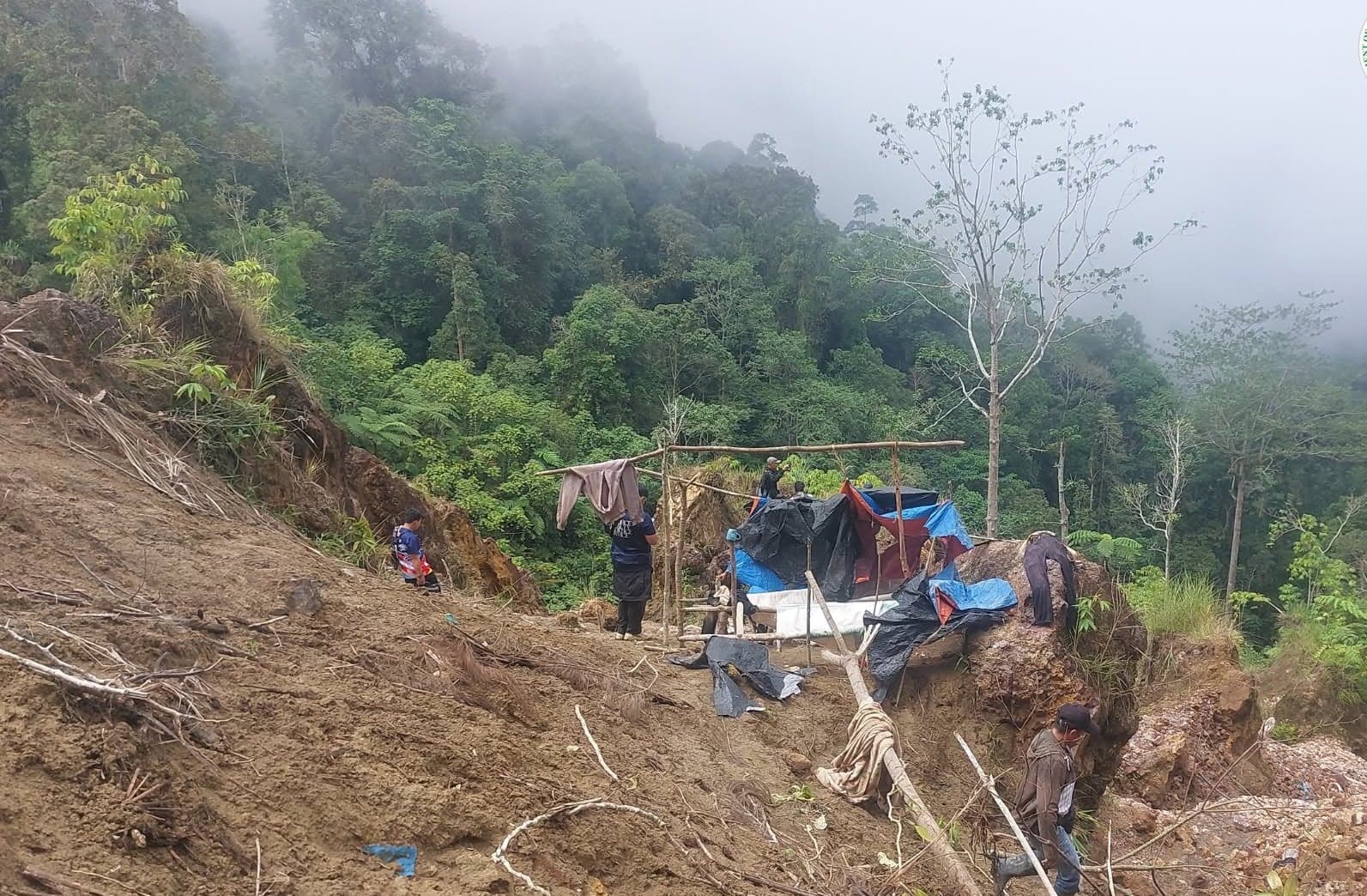
KORONADAL CITY — Authorities and local officials have raised alarms over the growing illegal hydraulic mining activities, locally known as “banlas,” in low-lying areas of the Tampakan project in South Cotabato. The project, recognized as Southeast Asia’s largest undeveloped copper and gold minefield, is now facing environmental and safety risks that could lead to catastrophic flash floods similar to the recent disaster in Nepal.
Neil Ryan Escobillo, barangay captain of Pulabato in Tampakan and an ex-officio member of the South Cotabato Sangguniang Panlalawigan representing the Association of Barangay Captains, cited a geological hazard assessment conducted by the Mines and Geosciences Bureau – Region 12 (MGB-12) as the basis for the warning. The assessment highlights the dangers posed by the ongoing illegal mining operations in the area.
Escobillo referenced the devastating flash floods in Nepal on August 26, which reportedly resulted in at least 1,000 deaths and left approximately 5,000 people missing. The Nepal disaster was triggered by glacier collapse and landslides that blocked river flows, creating a natural dam that eventually burst, flooding downstream communities. He warned that similar conditions could develop in the Tampakan area due to the effects of banlas mining.
The MGB-12’s hazard assessment, conducted in March at Sitio Campo Kilot in Barangay Pula Bato, found that the artificial erosion caused by hydraulic mining significantly weakens the integrity of mountain slopes. This degradation increases the likelihood of landslides and raises the risk of flooding due to potential artificial damming and sudden release of accumulated debris.
Escobillo explained that the introduction of high-pressure water jets to loosen soil and rocks for gold extraction—typical of banlas mining—has already destroyed at least five hectares of forest land near illegal mining sites. This environmental damage, combined with natural rain-induced landslides, has contributed to the formation of natural dams that obstruct river flow downstream, compounding flood risks.
Banlas mining involves pouring large volumes of water onto mountain surfaces to extract gold ore, which is then processed using mercury. This method is highly destructive, leading not only to deforestation and soil erosion but also to mercury contamination of rivers and aquatic ecosystems. The pollution threatens the health of local residents and damages vital water resources such as Lake Buluan, which lies downstream and serves communities in South Cotabato and neighboring provinces.
The MGB-12 has recommended intensifying enforcement against illegal banlas operators and undertaking rehabilitation efforts in the affected areas to restore environmental stability. Despite these warnings, the illegal mining activities persist within the Tampakan project’s mining tenement, which is operated by Sagittarius Mines, Inc. (SMI).
SMI’s Tampakan project has yet to commence commercial mining production using the open-pit method, which has been banned by the South Cotabato provincial government since 2010. The project also faces opposition from local Catholic Church groups and environmental organizations, further complicating its development.
Local officials, including Mayor Leonard Escobillo of Tampakan, have been conducting raids and forming task forces to combat illegal mining. However, the persistence of banlas operations continues to pose significant environmental and safety challenges. The situation underscores the urgent need for coordinated action among local and national government agencies, mining firms, and community stakeholders to prevent a disaster akin to Nepal’s flash floods and to protect the region’s natural resources and residents’ welfare.
AI-assisted original article by 1news, based on reporting from INQUIRER.net. Featured image credited to the source.