
Inflation Likely Held at 6.4 Percent in July Amid Mixed Price Pressures
AI-assisted original article by 1news, based on reporting from INQUIRER.net. Featured image credited to the source.
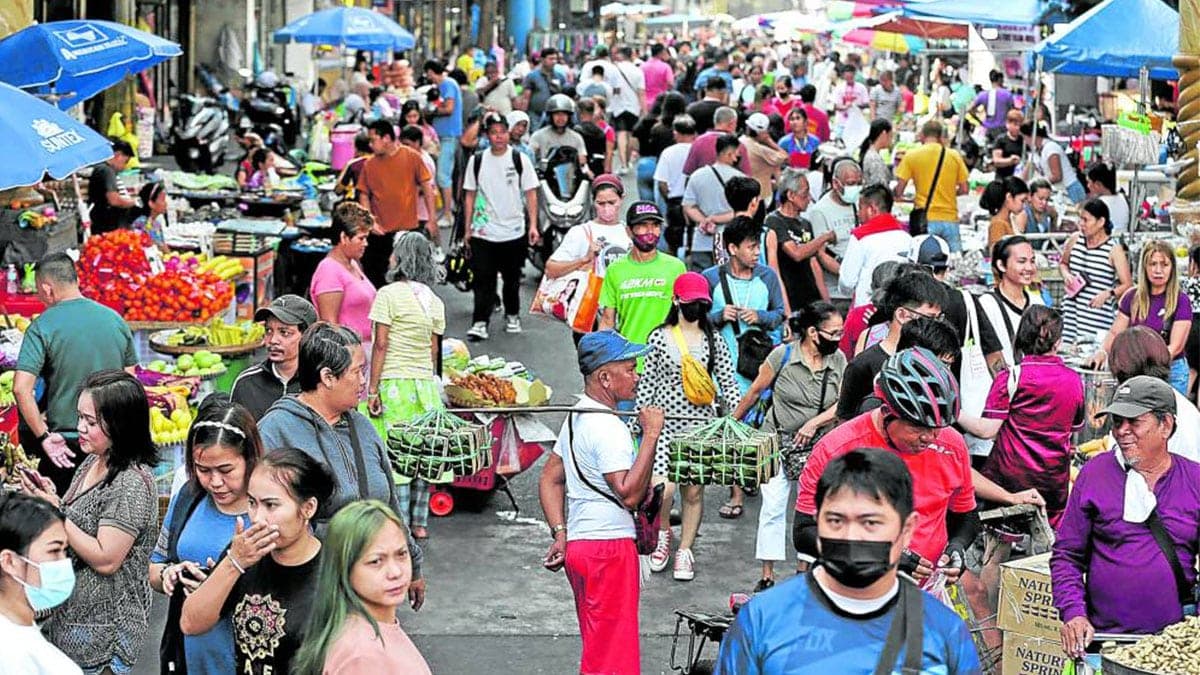
MANILA, Philippines — Inflation in the Philippines likely remained steady at 6.4 percent year on year in July, according to a median estimate from 14 economists surveyed by the Inquirer. This figure, if confirmed, would match the inflation rate recorded in June and fall within the Bangko Sentral ng Pilipinas’ (BSP) forecasted range of 5.6 to 6.6 percent. The persistence of inflation well above the central bank’s official 3-percent target underscores ongoing price pressures in the economy and supports expectations that monetary authorities will maintain elevated interest rates.
The steady inflation rate reflects a balance between offsetting factors. Economists noted that lower prices for key food items such as rice and vegetables helped moderate overall inflation. However, these gains were largely countered by rising costs in fuel and electricity, which continued to exert upward pressure on consumer prices. Deepali Bhargava, head of Asia-Pacific research at ING Bank, highlighted that fuel inflation is expected to keep rising due to increases in retail fuel prices. She also pointed out that services inflation remains sticky, indicating persistent underlying price pressures in the sector.
Alvin Arogo, chief economist at Philippine National Bank, similarly observed that the decline in rice and vegetable prices likely offset the impact of higher petroleum and electricity costs. Despite this, the overall inflation environment remains challenging, with divergent forecasts on its near-term trajectory.
Miguel Chanco, chief emerging Asia economist at Pantheon Macroeconomics, projected that inflation could ease to 6 percent as food-price pressures continue to cool. However, he warned that transport inflation likely remained near June’s level, close to 13 percent, driven by renewed fuel price hikes. In contrast, Ruben Carlo Asuncion, chief economist at UnionBank of the Philippines, anticipated inflation accelerating to 6.7 percent. He cited renewed price pressures from selected food items, utilities, and the lingering pass-through effects of higher fuel and transport costs. Asuncion also expects core inflation, which excludes volatile items, to continue rising, suggesting broad-based underlying price pressures despite the recent moderation in headline inflation.
These differing forecasts highlight the uncertainty surrounding the inflation outlook. Nonetheless, most economists agree that persistent underlying price pressures will likely keep the BSP on its monetary tightening path. Since April, the central bank has raised its benchmark interest rate by a cumulative 50 basis points to 4.75 percent in an effort to anchor inflation expectations amid slowing economic growth.
BSP Governor Eli Remolona Jr. has indicated that there is little chance the central bank will resort to aggressive rate hikes in response to renewed price pressures. Nicholas Mapa, chief economist at Metropolitan Bank & Trust Co., noted that the combination of subdued economic growth and above-target inflation calls for measured rate increases. He expects July inflation to edge slightly higher to 6.5 percent, reflecting the BSP’s balancing act between fighting inflation and remaining mindful of the soft growth outlook.
Overall, the July inflation reading will be a key data point for policymakers as they assess whether further monetary tightening is necessary to prevent persistent price pressures from becoming entrenched. The interplay of lower food prices and rising fuel and electricity costs continues to shape the inflation landscape, with the central bank poised to respond cautiously to evolving economic conditions.