
Iran and Oman Near Agreement on Strait of Hormuz Shipping Route Amid Ongoing Tensions
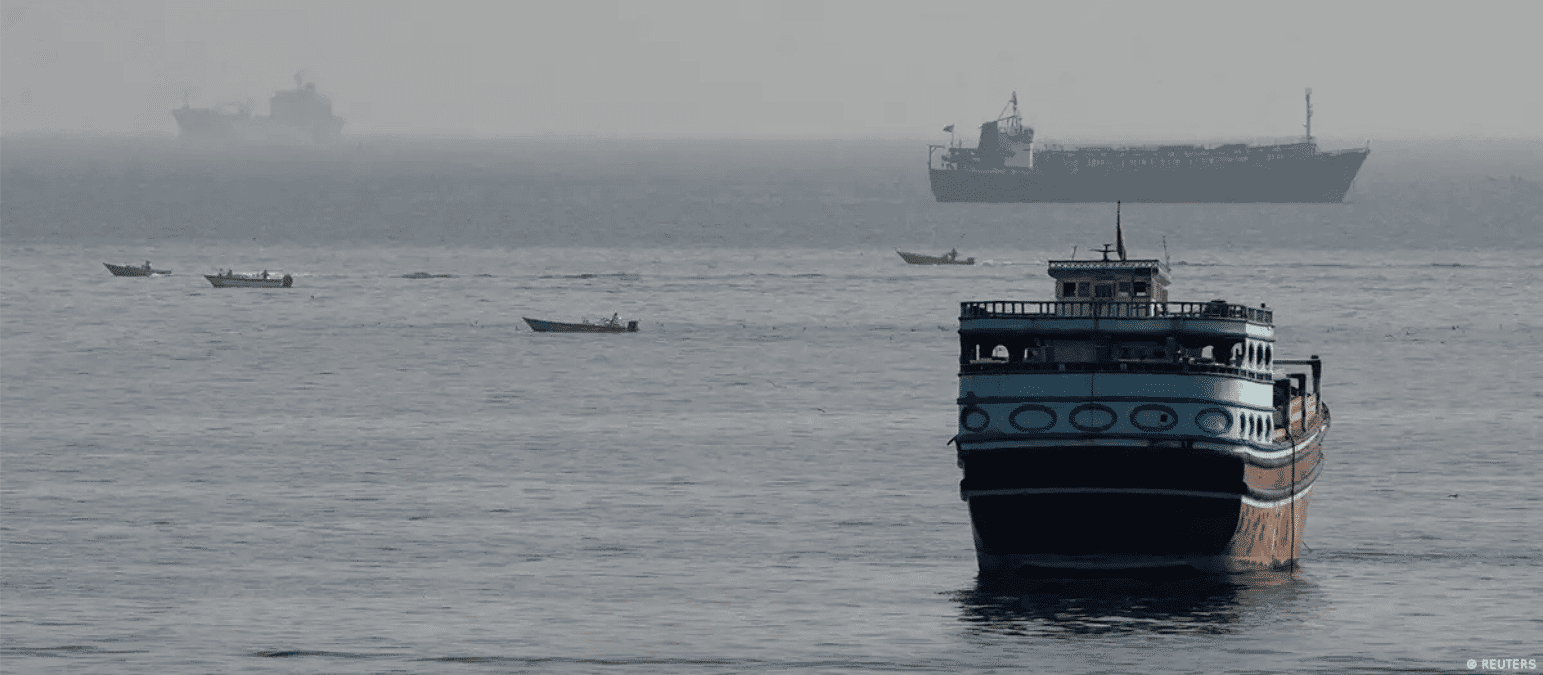
Iran’s Foreign Ministry spokesperson, Esmail Baghaei, announced that an agreement with Oman regarding navigation through the Strait of Hormuz is in its final stages of review and drafting, contingent on the absence of interference from external parties. The two Persian Gulf neighbors have agreed on the geographical coordinates for a new shipping route through the strait, a critical maritime passage for global oil trade, according to Iran’s state news agency IRNA.
Despite progress, Baghaei cautioned that reaching an understanding would not guarantee the strait’s safety for all vessels. He highlighted that the factors contributing to insecurity in the Strait of Hormuz remain, particularly pointing to the United States’ naval blockade and other hostile actions against Iran and its interests.
Iranian Deputy Foreign Minister Kazem Gharibabadi also confirmed that negotiations on new maritime traffic arrangements are nearing completion. He emphasized that the proposed route would not constitute a full reopening of the strait but rather establish a temporary model for managing shipping traffic. Gharibabadi indicated the route could remain open for a limited period, ranging from two to four months.
Tehran has stipulated that any reopening of the strait must coincide with the cessation of the US blockade on Iranian ports. Reports from Agence France-Presse suggested that Iran plans to exclude US and Israeli vessels from the waterway as part of the deal with Oman. Additionally, Iran has proposed charging fees for vessels passing through the strait, a point Oman reportedly does not support, opposing unilateral Iranian control over the waterway.
Industry sources cited by Reuters have expressed skepticism about the practicality of the proposed deal, citing US sanctions and restrictive insurance clauses that complicate payments and shipping operations. These challenges underscore the difficulty of implementing a deal that grants Tehran control over ships entering the Persian Gulf via the Strait of Hormuz.
Analysts have urged caution, viewing any agreement as a tactical pause rather than a lasting resolution. Security analyst Shukriya Bradost told DW that such a pause could advantage the United States more than Iran. She explained that Washington could use the period to enhance coordination with regional allies, reassess military strategies, and prepare stronger options. Meanwhile, Iran would continue to face economic pressures, internal divisions, and escalating political and security costs.
Fundamental disagreements persist over the future governance of the strait. Babak Dorbeiki, a London-based political analyst and former official at Iran’s Strategic Research Center, noted that Iran seeks control over vessels entering the strait, while the US demands completely free passage. He described these positions as difficult to reconcile.
Alireza Salavati, a London-based political economy commentator, suggested that both Tehran and Washington might frame any deal as a tactical success. From Iran’s perspective, maintaining leverage over the inbound shipping lane and preserving missile capabilities could be presented as achievements. Conversely, the US might highlight relief from energy price pressures and the opportunity to replenish military stockpiles as positive outcomes.
Salavati also indicated that Iran is unlikely to view any arrangement as the conclusion of the broader conflict. Meanwhile, US President Donald Trump faces pressure from members of his own party to end the conflict before the upcoming midterm elections in November.
Oman has not publicly commented on the reported agreement, which Iran says was negotiated without US involvement. The situation remains fluid, with significant geopolitical and economic implications hinging on the finalization and implementation of the deal.
AI-assisted original article by 1news, based on reporting from INQUIRER.net. Featured image credited to the source.