
Jakarta's Soekarno-Hatta Airport Reopens as Anak Krakatau Ash Clears, Though Volcanic Activity Persists
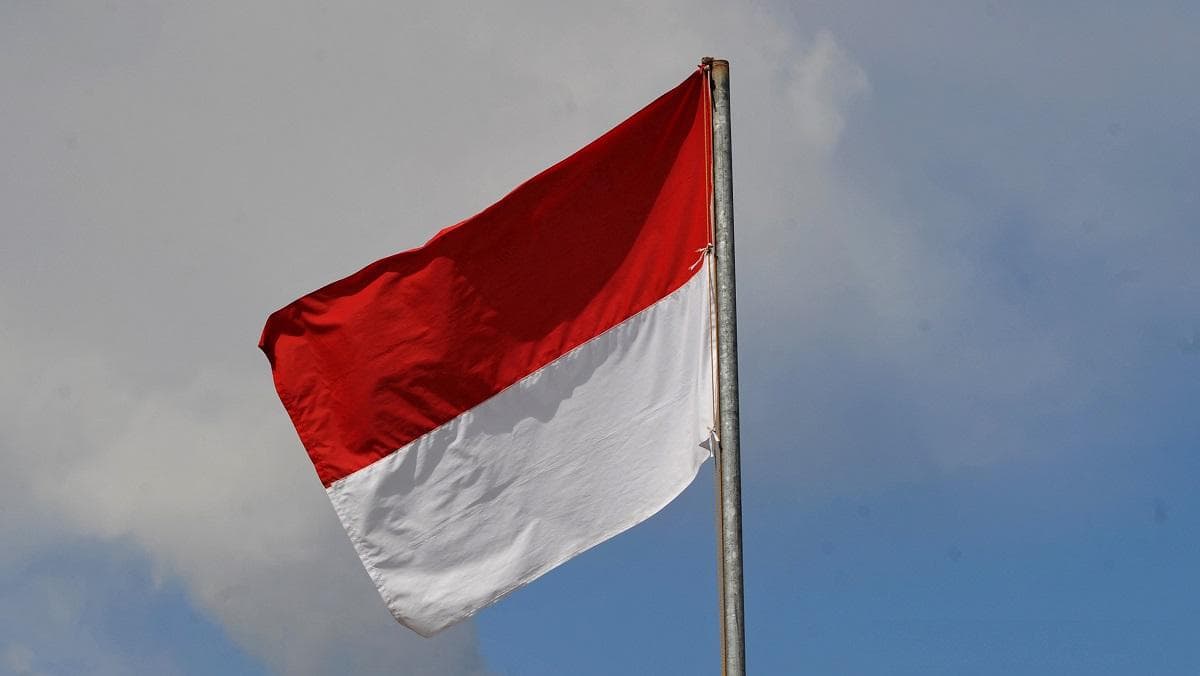
Indonesia reopened its main airport in Jakarta, Soekarno-Hatta International Airport, along with four other airports that had been closed due to volcanic ash from Mount Anak Krakatau. The reopening came after winds dispersed the ash cloud, allowing flights to resume on Tuesday. However, fresh eruptions from the volcano raised concerns about potential further disruptions to air travel.
The volcanic ash from Anak Krakatau, located between the islands of Java and Sumatra, had blanketed Jakarta and surrounding areas since the volcano's initial eruption late on Friday. This ash forced the closure of eight airports across the region, affecting more than 340,000 travelers. The closures were implemented as a safety precaution to prevent ash-related damage to aircraft engines and ensure passenger safety.
Transport Minister Dudy Purwagandhi confirmed that Soekarno-Hatta Airport resumed operations after the ash was blown away by changing wind patterns. Authorities planned to inspect the airworthiness of 178 planes that had been grounded during the closure before allowing them to fly again. The minister noted that preparing the planes for service might require additional time due to these safety checks.
Among the travelers impacted was Alvin Pratama Putra, who had arrived at Soekarno-Hatta on Sunday for a work-related flight to South Korea. His flight was rescheduled to Thursday, and he described the situation as an unavoidable consequence of natural events, emphasizing the danger of forcing flights under such conditions. He had spent the interim resting on a bench at the airport.
In addition to Soekarno-Hatta, four other airports, including a smaller airport in Jakarta and one in the nearby city of Bandung, reopened on Tuesday. Another airport had already resumed operations on Monday, while two airports remained closed as of the latest reports.
Bayu Sutanto, Secretary General of the Indonesia National Air Carriers Association (INACA), highlighted the financial strain the delays imposed on airlines. He explained that airlines faced revenue losses from canceled flights and increased operating expenses, such as extra fuel costs from route diversions, aircraft parking fees, and crew-related expenses. Bayu noted that a delay affecting one plane at Soekarno-Hatta could cascade, impacting three or four subsequent flights using the same aircraft. He estimated that airlines could lose up to 19 billion rupiah (approximately $1 million) daily during such disruptions.
Despite the reopening, Anak Krakatau erupted three times on Tuesday morning. Although these eruptions were smaller than previous ones, the volcano monitoring agency warned that flight disruptions could still occur depending on the height of the ash plume and wind direction. Lana Saria, head of the geological agency, stated that while the current impact was less severe than earlier eruptions, monitoring would continue closely.
Anak Krakatau is one of about 130 active volcanoes in Indonesia, a country situated along the Pacific Ring of Fire. This region is known for its high seismic activity due to the movement of tectonic plates, resulting in frequent earthquakes and volcanic eruptions. On the same day, other volcanoes such as Mount Ibu and Ili Lewotolok, located on islands east of Java, also erupted.
The volcano Anak Krakatau, meaning "child of Krakatau," emerged about a century ago in the area previously occupied by the original Krakatau volcano. The older Krakatau volcano famously destroyed itself in massive eruptions in 1883, which caused tsunamis that killed more than 36,000 people. The current activity of Anak Krakatau continues to be closely monitored due to its potential impact on aviation and local communities.
AI-assisted original article by 1news, based on reporting from GMA News Online. Featured image credited to the source.