
Japanese Companies Adopt Cooling Toilets and Shorter Work Hours to Combat Extreme Summer Heat
AI-assisted original article by 1news, based on reporting from INQUIRER.net. Featured image credited to the source.
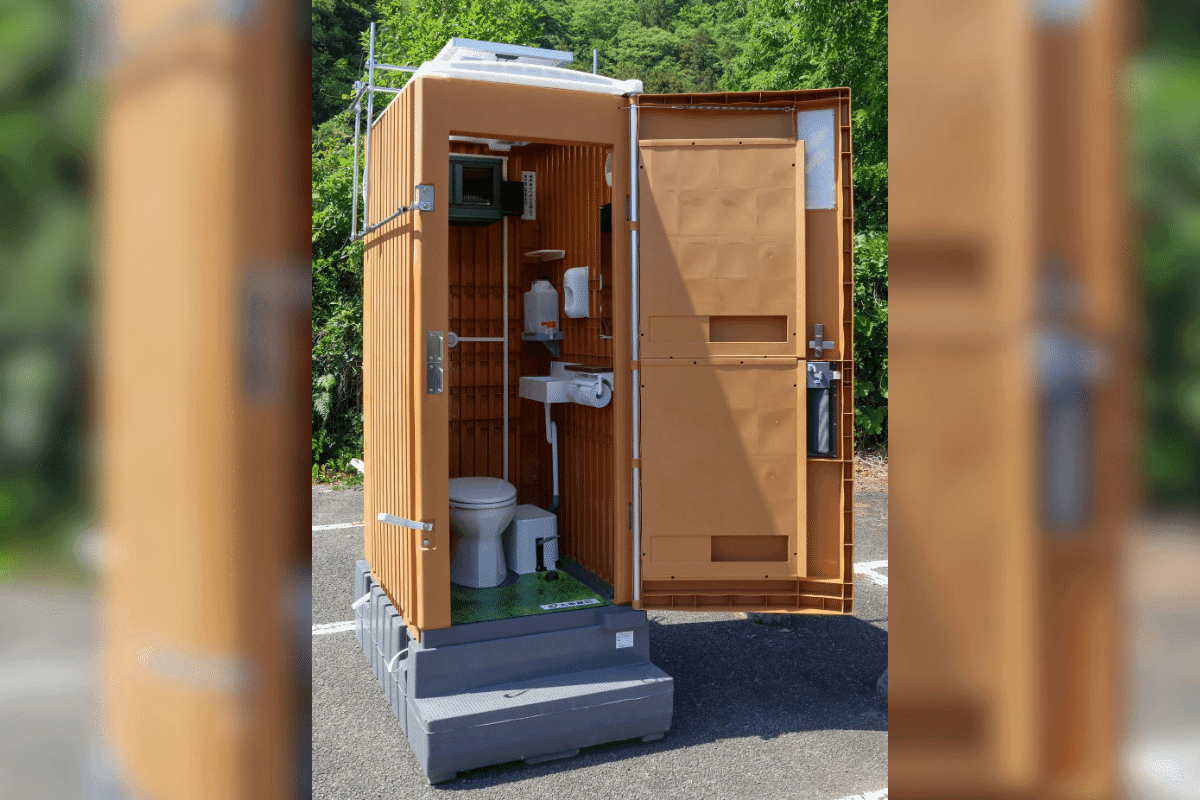
Japanese companies are increasingly adopting innovative measures to protect workers from the intensifying summer heat, including the installation of prefabricated toilets with cooling features at construction sites and the reduction of working hours. These efforts come as Japan experiences record-breaking temperatures and the government enforces stricter regulations to prevent heat-related illnesses.
Since June 2025, the Japanese government has mandated that business operators implement effective countermeasures against heat-related health risks. Companies failing to comply face penalties, reflecting the urgency of addressing the growing threat posed by extreme heat during the summer months.
Daito Trust Construction Co., a prominent rental house construction firm and real estate developer, has taken proactive steps by installing modular toilet units equipped with ventilation and mist cooling systems at two construction sites in Tokyo by mid-July 2026. These units also feature solar panels and antibacterial coatings, underscoring the company’s commitment to worker health and hygiene. A company official highlighted the importance of maintaining cleanliness and neatness, especially considering the increasing number of female field supervisors on site.
Obayashi Corporation, a major general contractor, has shortened working hours at its construction sites nationwide during July and August, shifting from the usual 8 a.m. to 5 p.m. schedule to a 7 a.m. to 1 p.m. timeframe. An official explained that the decision prioritizes reducing the risk of heat-related illnesses among workers. However, the company plans to extend working hours if temperatures drop or if project deadlines are at risk of being missed.
In addition to infrastructure and scheduling changes, companies are exploring innovative personal cooling solutions. Imabari Shipbuilding Co. is developing an inner garment designed to cool the wearer as they sweat, aiming to enhance comfort and safety for workers exposed to high temperatures. Meanwhile, food delivery service operator Demae-can Co. began distributing drink tickets to its delivery personnel in July to encourage hydration during their shifts.
The urgency of these measures is underscored by government data from 2025, which recorded 1,803 deaths or extended absences from work due to heatstroke or heat exhaustion—the highest figures since such data collection began in 2005. The manufacturing sector reported the most cases at 365, followed by construction with 292, according to the Ministry of Health, Labor and Welfare.
These developments reflect a broader recognition within Japan’s business community of the need to adapt to increasingly severe summer heat. By combining infrastructure improvements, adjusted work schedules, and personal cooling innovations, companies aim to safeguard their workforce while maintaining productivity amid challenging climatic conditions. The government’s enforcement of heat illness prevention measures further supports these efforts, signaling a shift toward more comprehensive heat risk management in the workplace.