
Labor Groups Criticize Pasig Court's TRO on Metro Manila Minimum Wage Increase
AI-assisted original article by 1news, based on reporting from GMA News Online. Featured image credited to the source.
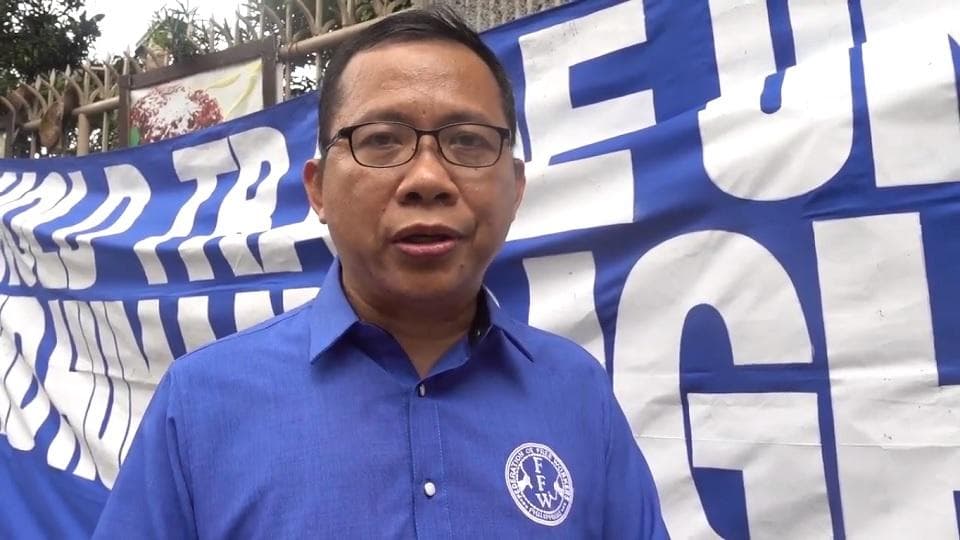
The Federation of Free Workers (FFW) and the NAGKAISA Labor Coalition have voiced concerns over a temporary restraining order (TRO) issued by the Pasig Regional Trial Court that halts the implementation of the ₱85 minimum wage increase under NCR Wage Order No. 27 for workers in Metro Manila.
FFW president and NAGKAISA chairman Atty. Sonny Matula highlighted that the Labor Code explicitly prohibits courts, tribunals, or other entities from issuing preliminary or permanent injunctions or temporary restraining orders against proceedings before the National Wages and Productivity Commission (NWPC) or the Regional Tripartite Wages and Productivity Boards. Despite this clear statutory restriction, the Pasig RTC proceeded to issue the TRO, which Matula described as contrary to the Labor Code’s provisions.
The TRO was granted following a petition by Readycon Trading and R-II Builders, Inc., who argued against the wage hike. In an eight-page order, Judge Marie Joyce Manongsong stated that the petitioners had sufficiently demonstrated the urgency and potential for grave injustice and irreparable injury that justified the issuance of the TRO. The court emphasized that such orders are only appropriate in cases of extreme urgency, and found that the petitioners met this threshold.
Judge Manongsong’s order also noted that the court approached the issue with an understanding that the interests of the parties involved are interdependent rather than strictly adversarial. The court concluded that the unique circumstances of this case warranted a temporary pause on the wage increase to allow further consideration.
The TRO follows an earlier status quo ante order issued by Executive Judge Achilles Balauitan on July 24, just one day before the wage order was set to take effect. The Office of the Solicitor General represented the respondents, namely the Regional Tripartite Wages and Productivity Board-National Capital Region and the NWPC, both of which have been enjoined from implementing the wage hike until August 13.
While the ₱85 increase is the largest nominal peso raise ever granted in Metro Manila, the FFW and NAGKAISA pointed out that the total wage adjustment—from ₱695 to ₱780 daily—amounts to a 12.23% increase. They noted that Philippine wage history includes several adjustments with higher proportional increases, such as those in 1997 (12.12%) and 2000 (11.86%), which are comparable to the current hike.
Matula stressed that millions of Filipino workers have suffered declining purchasing power due to inflation, rising food prices, increased transportation costs, higher electricity rates, and escalating housing expenses. He described the wage adjustment approved by the Regional Wage Board as modest when measured against the actual cost of living.
Delaying the implementation of the wage increase, Matula argued, only prolongs the hardships faced by workers and their families. The labor groups maintain that the wage hike is necessary to help restore workers’ purchasing power amid ongoing economic challenges.
The court’s decision to issue the TRO has sparked debate over the balance between protecting workers’ rights to a living wage and safeguarding employers’ interests. The case remains pending, with the wage hike implementation paused until at least August 13, pending further hearings and legal proceedings.