
Pakistan Affirms Ongoing US-Iran Talks Amid Escalating Middle East Strikes
AI-assisted original article by 1news, based on reporting from GMA News Online. Featured image credited to the source.
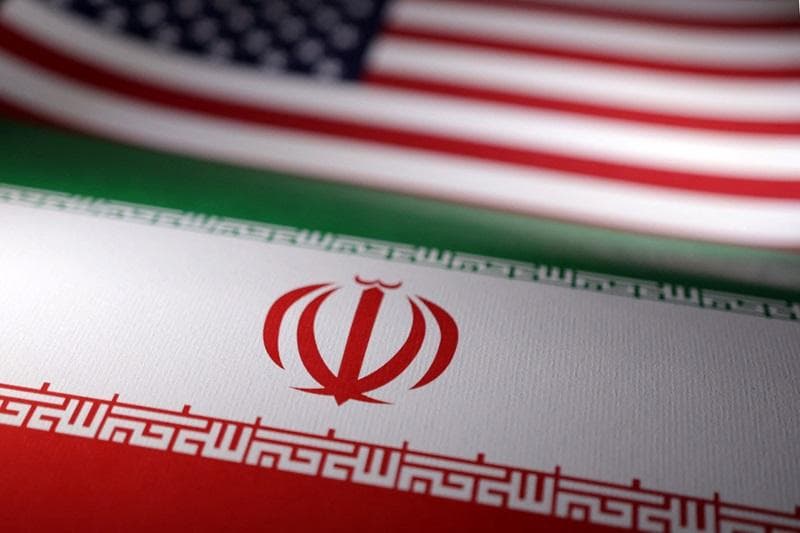
TEHRAN, Iran — Pakistan’s foreign ministry reiterated on Thursday that negotiations between the United States and Iran remain active despite a recent surge in military strikes and missile attacks across the Middle East. Pakistani spokesman Tahir Andrabi emphasized that talks, particularly focused on the Strait of Hormuz and de-escalation efforts, continue even as hostilities intensify.
The past 48 hours have witnessed a marked escalation in regional conflict. Saudi Arabia joined the United States in targeting militant groups in Iraq, while Egypt experienced its first drone attack at a Mediterranean port, prompting its president to warn of a serious escalation in the Middle East crisis. Meanwhile, Jordan reported intercepting Iranian missiles for a second consecutive day, and Kuwait condemned an Iranian strike that killed one worker and damaged a building belonging to a Chinese company in the country’s north.
These renewed hostilities followed a brief pause intended to facilitate diplomatic progress. Andrabi noted Pakistan’s role in brokering a deal between the warring parties, which laid the groundwork for negotiations toward a permanent resolution. He affirmed Pakistan’s commitment to bringing all parties back to technical talks under the agreement.
The ceasefire that began in April collapsed earlier this month, with Iran shutting the Strait of Hormuz once again. This narrow waterway is a critical conduit for Middle Eastern oil and gas exports, particularly Saudi crude, to global markets. Iran’s Revolutionary Guards reported that two oil tankers attempting to transit the strait with US support turned back after one caught fire.
In response to ongoing threats, Saudi Arabia announced the formation of a maritime defense alliance comprising 14 regional countries aimed at securing navigation around the strategic Bab al-Mandab Strait. This move follows recent claims by Yemen’s Iran-backed Houthi rebels of imposing a maritime embargo on Saudi Arabia and attacking Saudi oil tankers in the Red Sea.
The United States military stated it had successfully conducted a heavy wave of strikes against Iran, targeting dozens of Revolutionary Guard sites including military command centers. US President Donald Trump had vowed to strike Iran "hard" following Tehran’s previous attack on Jordan, marking the first such regional assault in days.
Iran’s Revolutionary Guards confirmed that three of their members were killed in a US strike in the northwestern province of Zanjan. Iranian state media also reported attacks on several cities in the southwestern Khuzestan province and on Qeshm Island in the Gulf. Provincial authorities cited by Iran’s IRNA news agency detailed strikes around Abadan, Shadegan, Arvandkenar, and Ahvaz.
Jordan’s military reported intercepting five Iranian missiles on Thursday morning, with no casualties reported. The Revolutionary Guards accused the US of using bases in Jordan to launch airstrikes that killed residents on Qeshm Island. Kuwait’s defense ministry condemned the Iranian attack that targeted a Chinese company’s building, resulting in one death and significant material damage.
Since the conflict began in February with US and Israeli strikes on Iran, the war has affected nearly every country in the region and some beyond. While energy facilities have frequently been targeted by drones and missiles, Egypt had remained largely spared until Wednesday, when a drone attack at a gas import hub caused a fire and damaged two ships.
Egyptian authorities confirmed the blaze was caused by a drone but noted that no group had claimed responsibility. Yemen’s Houthi rebels denied involvement. Egypt’s government announced an ongoing inquiry to determine the circumstances and safeguard national interests. President Abdel Fattah al-Sisi, in a call with Spain’s Prime Minister Pedro Sanchez, stressed the need for international cooperation to halt the escalation.
Maritime trade tracking firm Kpler identified the damaged vessels as the Energos Winter storage and regasification vessel and the GasLog Salem tanker, both moved offshore after the incident. UK-based security monitor Ambrey reported that the US-owned floating storage vessel had been hit by at least one drone. Despite the attack, port authorities confirmed full operational status with regular vessel arrivals, departures, and cargo handling continuing.
As the conflict intensifies, Pakistan continues to push for dialogue and de-escalation, underscoring the fragile balance between ongoing military actions and diplomatic efforts in the region. The coming days will be critical in determining whether talks can resume effectively or if the violence will further destabilize the Middle East.