
Philippine Esports Remains Manila-Centric Due to Infrastructure, Sponsorship, and Access Challenges
AI-assisted original article by 1news, based on reporting from INQUIRER.net. Featured image credited to the source.
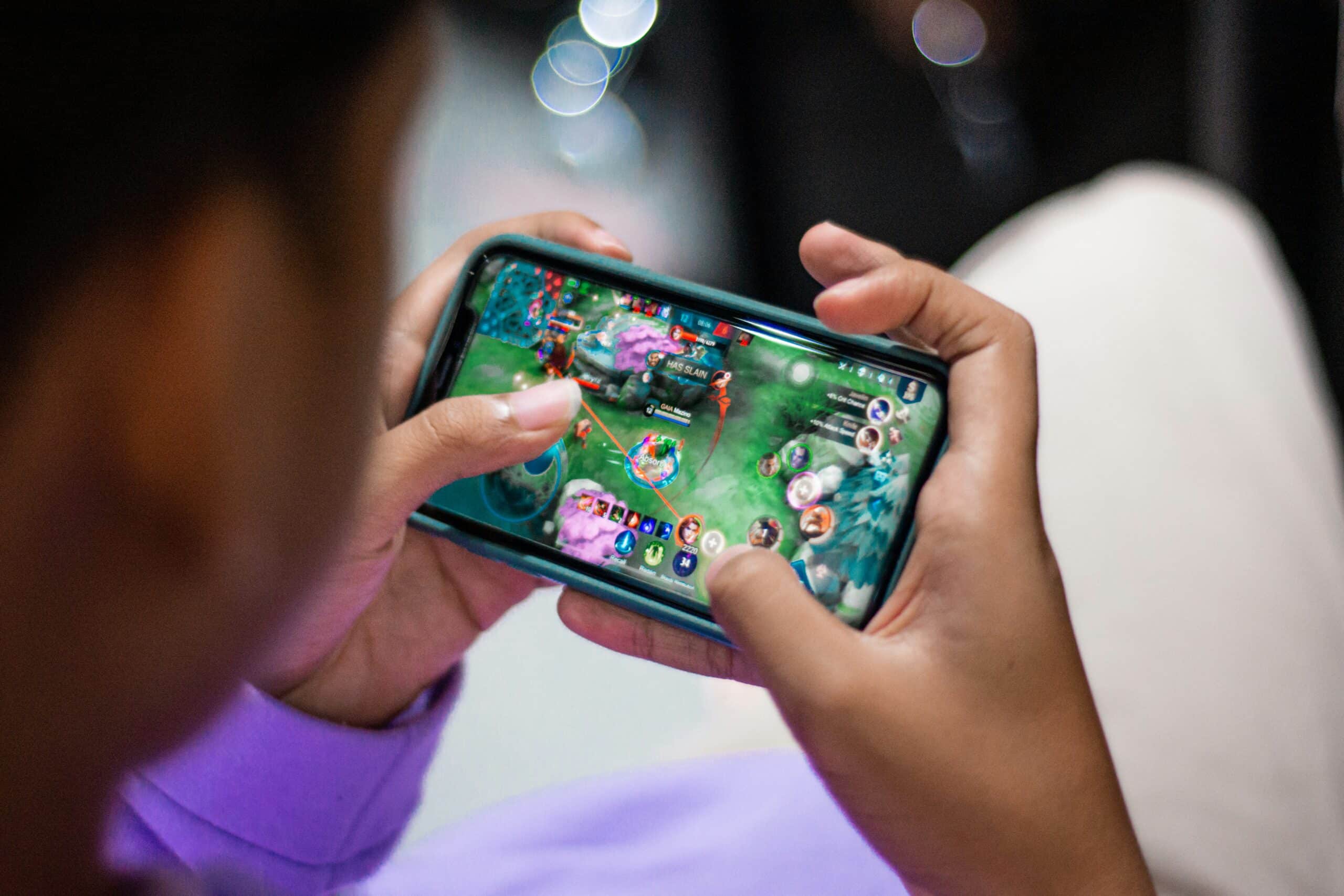
Over the past decade, the Philippine esports industry has grown into a significant economic sector, generating jobs and producing world-class talent that has earned international recognition. Despite this progress, the industry remains heavily concentrated in Metro Manila, where most infrastructure, events, and corporate support are located. This centralization raises questions about whether esports opportunities are truly accessible nationwide or confined to the capital region.
Sustainability remains a major challenge for esports organizers, particularly when hosting tournaments that involve teams from various regions. The industry’s reliance on corporate sponsorships means brands often seek venues with high visibility and dense demographics, which Metro Manila reliably provides. Organizing large-scale events outside the capital poses commercial risks for both sponsors and organizers, who must carefully consider resource allocation and long-term viability.
Local businesses in provinces are often reluctant to sponsor esports events due to the financial risks involved. This hesitancy complicates efforts to expand esports beyond Metro Manila. Lynelle Dave Lacapag, Public Relations Officer of Caraga State University – Gaming and Multiplayer Esports Enthusiasts, shared that local businesses initially hesitated to support their city-wide tournaments. However, the success of local esports figures, such as Team Execration’s Eljohn “Akashi” Andales from Butuan City, has begun to encourage local businesses to explore esports marketing and recognize the potential of their gaming markets.
Despite limited support, grassroots esports organizations continue to develop talent. Lacapag noted that while their university administration did not fully support esports events on campus, their organization still produced athletes who represented the university in regional competitions like the Mindanao Association of State Tertiary Schools Esports Tournament. Similarly, Ashley Jade Lobitaña, former head organizer of the Ilocos Sur Festival Esports Tournament, described challenges in organizing province-wide events and securing sponsorships due to local businesses’ reluctance.
Metro Manila remains the hub of Philippine esports, hosting major leagues such as Mobile Legends: Bang Bang’s MPL Philippines, Honor of Kings’ Philippine Kings League, and Valorant Challengers Philippines. Collegiate esports leagues also hold offline games in the capital, including the AcadArena Alliance Games, Estudyante Esports National Championships, UAAP, and NCAA Esports tournaments. Players from other regions often travel to Manila to compete in national finals, incurring additional expenses.
To address these challenges, grassroots tournaments and official qualifiers have emerged as viable pathways for regional players to enter the professional scene without excessive costs. Joshua “Jusuave” Villamar, a shoutcaster for Crossfire Philippines based in Cebu, emphasized the importance of local representation in regional tournaments to showcase talent. He highlighted that open qualifiers in games like Crossfire feature teams from Luzon, Visayas, and Mindanao, demonstrating regional diversity.
Cebu is developing its own esports ecosystem, integrating with academic institutions through the Cebu Schools Athletic Foundation Inc. (CESAFI) Esports League, which offers scholarships to professional esports athletes. Ryan Abarquez Balbuena, CESAFI Executive Director, acknowledged that Philippine esports has traditionally centered on Metro Manila due to the concentration of publishers, organizers, and sponsors there. He stressed that talented players from Visayas and Mindanao often lack access rather than skill.
Balbuena advocated for consistent organization of regional tournaments to provide fair opportunities across the country. He called on industry leaders to invest in grassroots events outside the capital to nurture talent nationwide. Bridging the gap in Philippine esports requires collaboration among national government agencies like the Department of Information and Communications Technology and the Games and Amusements Board, local government units, the Philippine Esports Organization, game publishers, private sector partners, and the academe.
Despite esports’ growing acceptance, outdated cultural stigmas persist, limiting the ecosystem’s full potential. The existing talent pool is strong, but structural support is needed to elevate regional players to the global stage. Expanding esports beyond Metro Manila does not mean dismantling the capital’s established scene but rather empowering grassroots organizers with resources to develop local communities and prove that Filipino players can compete internationally.
In summary, the Manila-centric nature of Philippine esports stems from infrastructure concentration, sponsorship challenges, and limited access for regional players. Addressing these issues through sustained investment in grassroots tournaments, regional partnerships, and government support is essential to unlocking the country’s full esports potential and fostering a more inclusive national scene.