
Proposed P7.2-Trillion 2027 National Budget to Be Submitted to Congress Before August 14, DBM Confirms
AI-assisted original article by 1news, based on reporting from GMA News Online. Featured image credited to the source.
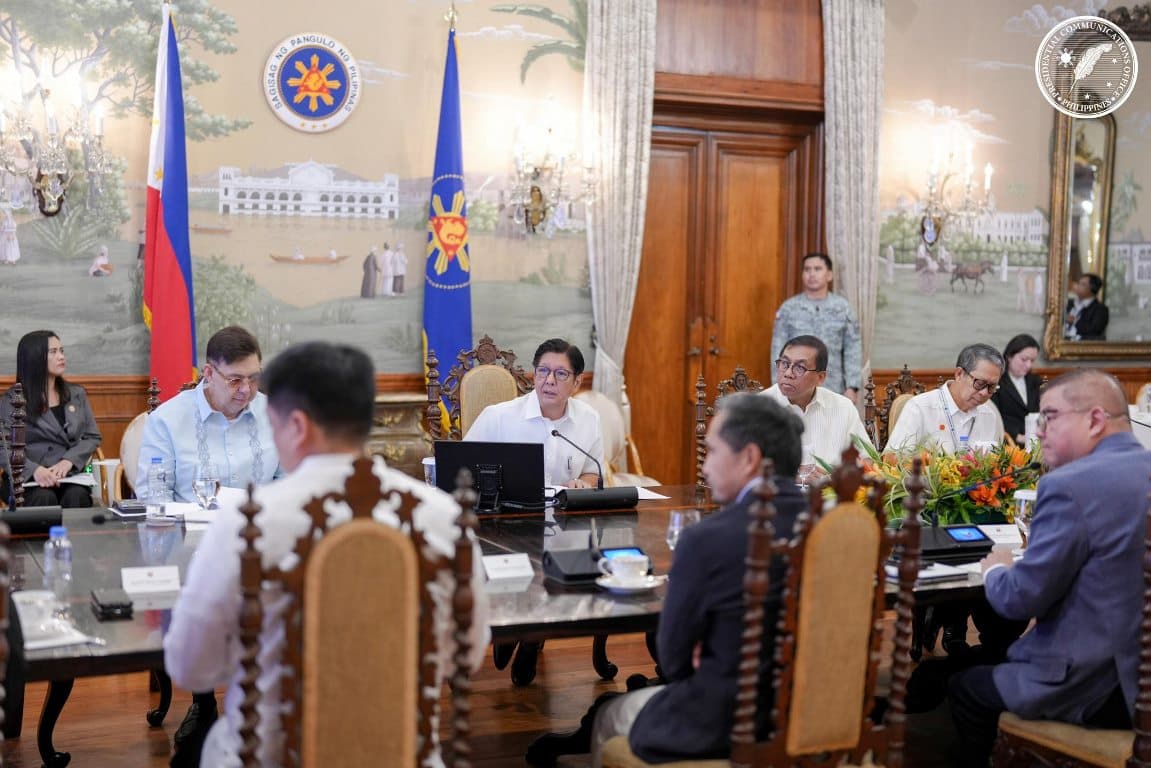
The Department of Budget and Management (DBM) has announced its intention to submit the proposed P7.2-trillion national budget for 2027 to Congress before the constitutional deadline of 30 days following the opening of the regular legislative session. Budget Secretary Kim Robert de Leon confirmed in an interview that the target date for submission is before August 14, 2026.
This timeline places the submission approximately two weeks after President Ferdinand Marcos Jr.'s recent State of the Nation Address (SONA) on July 27, which traditionally marks the start of the regular session of Congress. According to Section 22, Article VII of the Philippine Constitution, the President is mandated to present the proposed national budget within 30 days from the opening of this session.
The Development Budget Coordination Committee (DBCC), chaired by the DBM, has set the budget ceiling for 2027 at P7.2 trillion. This figure represents 21.7 percent of the country's gross domestic product (GDP) and marks a 6 percent increase from the P6.793-trillion budget allocated for the current year.
In his National Budget Memorandum 158, Secretary de Leon emphasized that the proposed budget will prioritize programs, activities, and projects (PAPs) aimed at creating better opportunities and addressing the needs of Filipinos. The goal is to foster a more resilient and secure future for all citizens.
The DBM's briefing on the 2027 Budget Priorities Framework outlined that public investments will focus on several key sectors. These include human capital development, food security, infrastructure, climate and disaster resilience, and digital transformation. These priorities reflect the government's commitment to sustainable development and inclusive growth.
However, the budget formulation faces challenges due to a narrow fiscal space. This constraint is exacerbated by funding pressures from automatically appropriated items such as the National Tax Allotment (NTA) shares for local government units (LGUs), interest payments on government debt, and the financial requirements imposed by newly enacted laws and recurrent mandatory expenditures. These factors limit the flexibility of the budget to accommodate new spending.
The Philippine budget process begins with the President and Cabinet secretaries submitting their proposed appropriations under the National Expenditure Plan (NEP). The NEP serves as the government's spending blueprint for the upcoming fiscal year and forms the basis for the General Appropriations Bill (GAB).
Once Congress reviews and approves the GAB, it is forwarded to the President for signing into law, becoming the General Appropriations Act (GAA). During the legislative deliberations, lawmakers may propose adjustments to the budget as long as these remain within the prescribed spending ceiling.
Secretary de Leon's remarks underscore the government's intent to adhere to fiscal discipline while ensuring that the 2027 budget addresses critical national priorities. The timely submission of the NEP to Congress will initiate the budget deliberation process, which is crucial for the government's operational and development plans in the coming year.