
Senate Impeachment Court Schedules September 23 Oral Arguments on Voting Threshold for Sara Duterte Trial
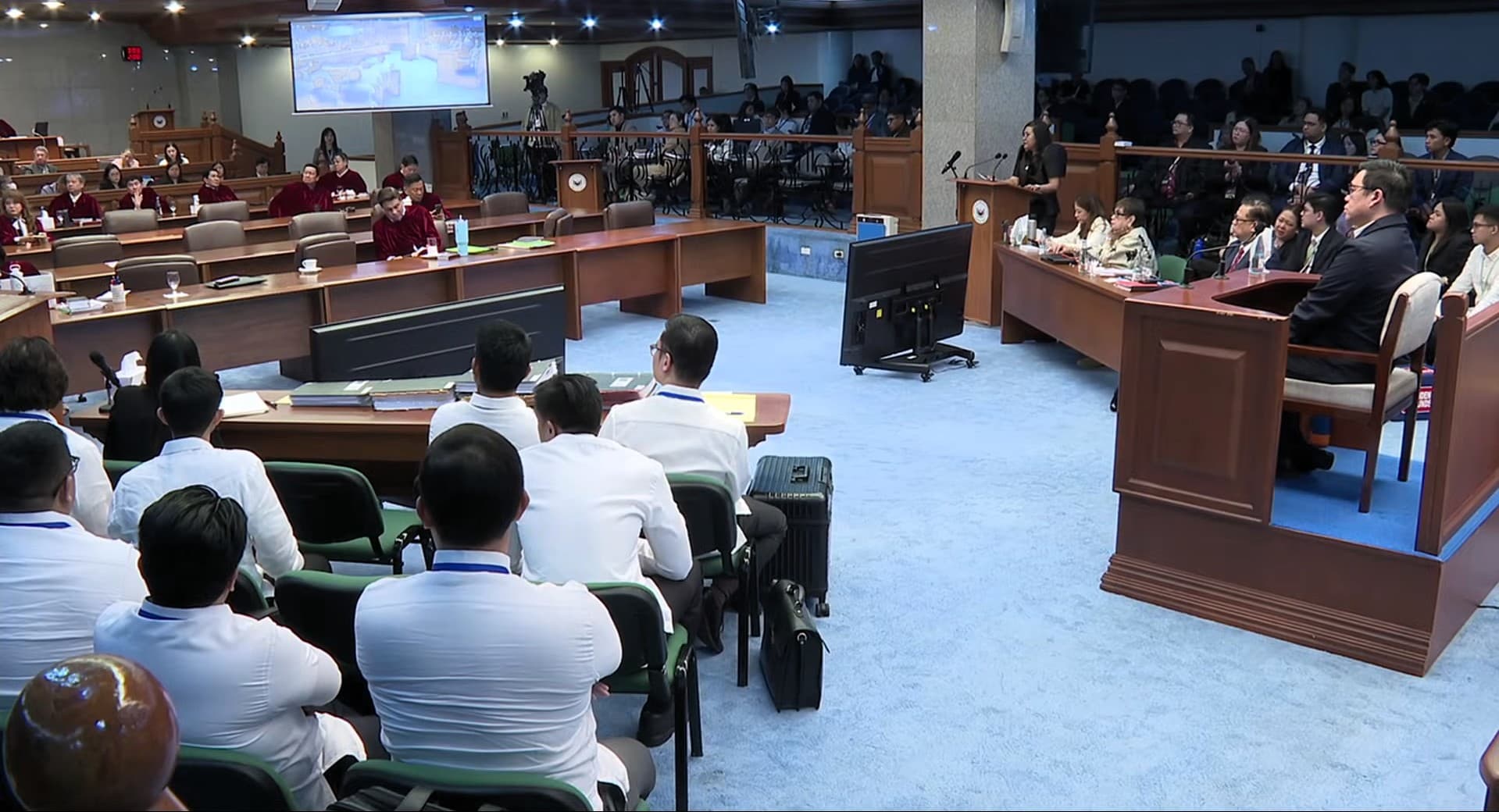
Senate impeachment court presiding officer Francis “Chiz” Escudero announced on Tuesday that oral arguments concerning the voting threshold required to convict Vice President Sara Duterte will be held on September 23, 2026. This development follows a formal request by Senator-Judge Erwin Tulfo seeking clarification on the application of the 16-vote threshold amid the absence of four senator-judges from the ongoing impeachment trial.
Tulfo highlighted the current challenge facing the court, noting that several members are beyond the Senate’s jurisdiction or coercive power. He specified that one senator is on medical leave abroad with an uncertain return date, another is in hiding, and two others are detained under the custody of the Sandiganbayan or the Bureau of Jail Management. These absences have raised questions about who among the senator-judges can validly cast votes when the final decision is made, whether that be in the near future or months ahead.
Currently, Senators Jinggoy Estrada and Rodante Marcoleta are detained on separate plunder charges, while Senator Ronald “Bato” dela Rosa remains in hiding due to an outstanding arrest warrant issued by the International Criminal Court. Additionally, Senator Loren Legarda has been absent from the trial for several weeks due to health issues and is currently abroad.
In response to Tulfo’s manifestation, Escudero temporarily suspended the trial to consult with the senator-judges and legal counsels. He then announced that the court will hear amici curiae, or friends of the court, on September 16 to provide input on the voting threshold issue. The oral arguments between the prosecution and defense will follow on September 23, with each side allotted 15 minutes to present their positions. On the same day, the senator-judges will vote on the matter.
Escudero clarified that Tulfo’s request pertains to the interpretation of the phrase “all members” as stated in Article 11, Section 3, Paragraph 6 of the 1987 Philippine Constitution. This provision grants the Senate the sole power to try impeachment cases and requires that no person shall be convicted without the concurrence of two-thirds of all Senate members. The Constitution also specifies that when the President is on trial, the Chief Justice of the Supreme Court presides but does not vote.
At the start of the impeachment trial on July 6, Escudero ruled that conviction requires at least 16 affirmative votes from the 24-member Senate, based on a literal reading of the constitutional mandate for a two-thirds concurrence. This ruling has been a focal point of debate, especially given the current absences of several senator-judges.
The upcoming oral arguments and vote will address whether the 16-vote threshold remains applicable despite the reduced number of active senator-judges due to detention, hiding, or medical leave. This issue is critical as it directly affects the standards for convicting Vice President Duterte in the impeachment trial.
The court’s decision on this matter will clarify the interpretation of the constitutional phrase “all members” in the context of an impeachment trial where some senators are unable to participate. The resolution will also set a precedent for how future impeachment trials might handle similar situations involving absent senator-judges.
As the trial proceeds, the Senate impeachment court continues to balance constitutional mandates with the practical realities of its current membership, ensuring that due process is upheld while addressing the complexities posed by the ongoing absences. The scheduled oral arguments on September 23 will be a pivotal moment in this process.
AI-assisted original article by 1news, based on reporting from GMA News Online. Featured image credited to the source.