
Spain Begins Border Checks on Italy Amid Migrant Dispute
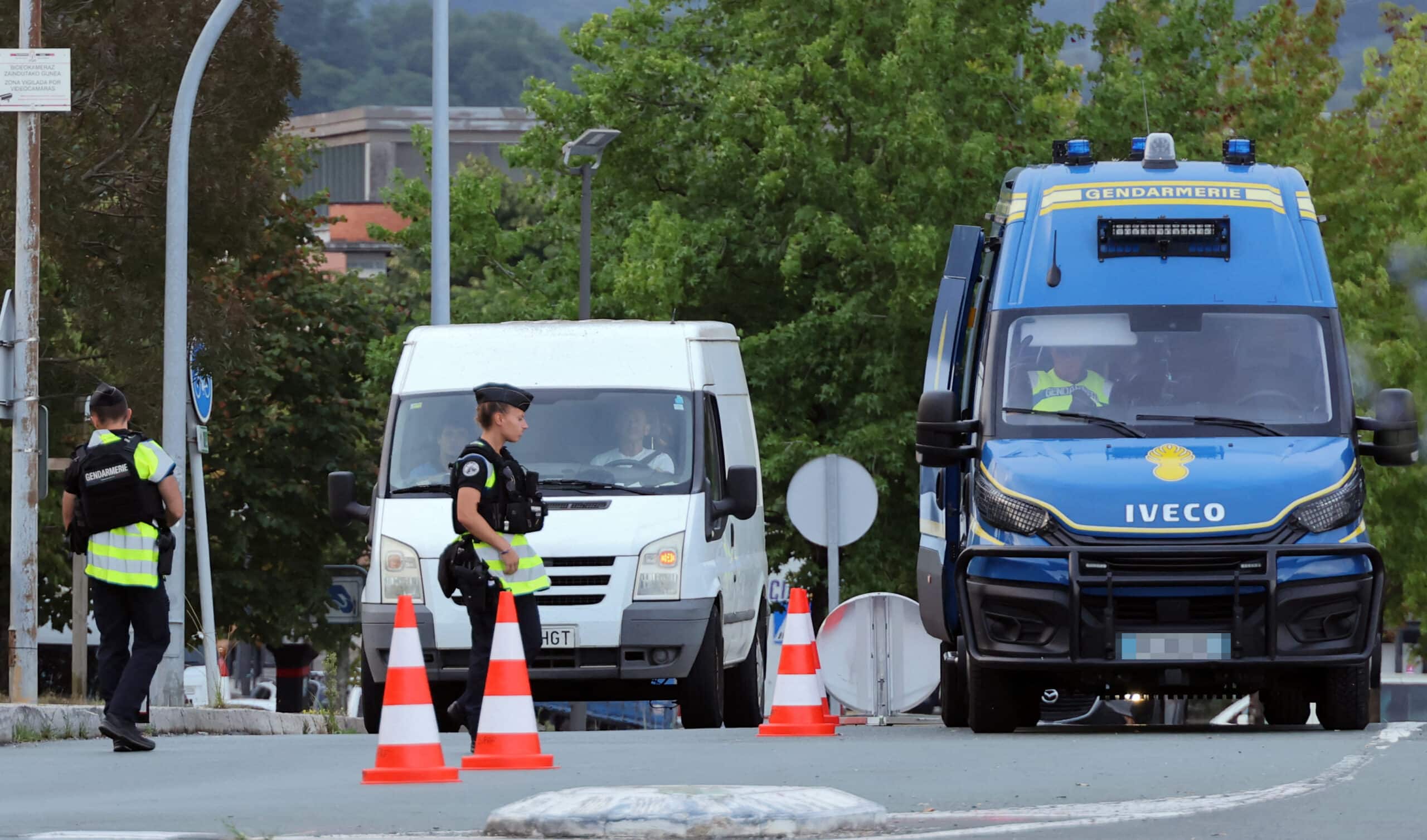
Spain initiated border controls on travelers arriving from Italy starting Saturday, escalating a dispute triggered by Italy’s earlier imposition of similar measures. The Italian government had introduced border checks on arrivals from Spain following a significant influx of migrants into Spain’s North African enclave of Ceuta at the end of July.
The Spanish Interior Ministry announced that the new controls would remain in place until September 7. These measures involve passport, nationality, and visa checks for passengers arriving from Italy, marking a reciprocal response to Italy’s suspension of the Schengen Area’s visa-free travel arrangements for travelers from Spain.
The dispute arose after more than 70,000 migrants crossed from Morocco into Ceuta on July 30 and 31. Although nearly all of these migrants returned to Morocco within 48 hours, the incident alarmed European governments, particularly those with right-wing administrations advocating for stricter migration controls. Spain’s left-wing government criticized Italy’s decision as unjustified and disproportionate, emphasizing that migrants entering Ceuta face additional border checks before reaching continental Europe.
The situation has drawn attention to the fragile balance within the European Union’s Schengen Area, which allows passport-free travel across member states. Italy’s hard-right government justified its border controls as necessary to address security concerns and irregular migration pressures. Spain, in turn, cited “persistent irregular migration pressure” affecting Italy as the rationale for its reciprocal measures.
Amid the tensions, EU Migration Commissioner Magnus Brunner engaged with both Spanish and Italian interior ministers, who confirmed that the border controls were temporary. Brunner highlighted the progress made in combating illegal migration and underscored the importance of trust among member states as a valuable asset for the EU.
Brunner also noted that Spanish authorities assured the events in Ceuta would not have a lasting impact on the Schengen Area. He indicated that Italy had signaled the possibility of lifting its border controls soon, suggesting a potential de-escalation of the dispute.
Travelers arriving from Italy expressed mixed reactions. Maria Celeste Grillo, a 36-year-old Italian tourist arriving in Madrid, remarked on the absence of visible checks upon disembarking but described the situation as unfortunate and lacking diplomatic finesse from both governments.
The border controls between Spain and Italy represent a rare instance of reciprocal restrictions within the Schengen Zone, reflecting broader challenges the EU faces in managing migration flows and maintaining open internal borders. Both countries remain NATO allies and EU partners, yet this episode underscores the complexities of balancing national security concerns with commitments to free movement.
As the September 7 deadline approaches, the situation remains fluid. The EU continues to monitor developments closely, with hopes that dialogue and cooperation will restore normal travel conditions and address the underlying migration issues that sparked the dispute.
AI-assisted original article by 1news, based on reporting from INQUIRER.net. Featured image credited to the source.