Study Finds Most Australian Teens Still Active on Social Media Three Months After Under-16 Ban
AI-assisted original article by 1news, based on reporting from GMA News Online. Featured image credited to the source.
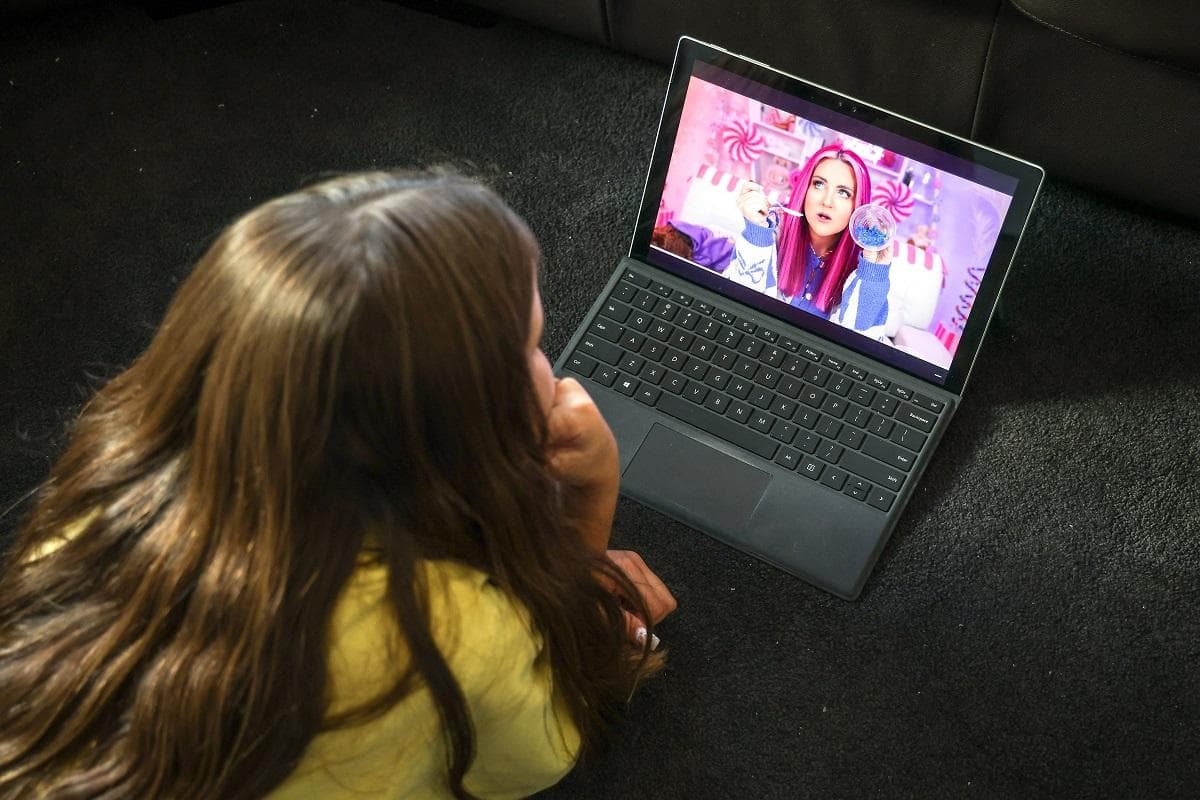
More than 80% of Australian teenagers continued using social media three months after the government implemented a pioneering ban on platforms for users under 16, according to a study released by the country's internet safety regulator, eSafety. The findings highlight significant challenges in enforcing the ban, primarily due to social media companies' failure to implement effective age verification measures.
The ban, which took effect on December 10, 2025, was introduced amid concerns about the mental and physical health impacts of social media on children and young people. Despite the legislation, eSafety's study found that most children aged 10 to 15 were using social media just as frequently in March 2026 as they had before the ban. Parental awareness of their children's social media habits also declined during this period.
While overall account ownership among under-16s dropped from 52% to 42%, the report noted statistically significant declines on platforms such as YouTube, Snapchat, and TikTok. However, the majority of under-16 users who had accounts before the ban were able to retain them or create new ones by the three-month mark. eSafety attributed this largely to the platforms' inadequate age assurance systems.
Before the ban, nearly 86% of surveyed children reported using at least one age-restricted social media platform. Three months later, this figure remained above 81%, indicating limited impact on usage rates. Approximately 58% of teenagers reported daily or more frequent social media use, a slight decrease from about 60% prior to the ban.
The study revealed that around half of the children who kept their accounts said the platforms had not verified their age, which was the most common reason they could continue using the services. Others reported that their accounts listed them as 16 or older, or that age-checking systems had incorrectly assessed them as above the age limit.
These findings align with snapshot data eSafety published in late March 2026. Following that update, the regulator announced investigations into possible non-compliance by five major platforms: Meta's Facebook and Instagram, Snapchat, TikTok, and Google's YouTube. The government responded in June by doubling the maximum penalties for tech firms that fail to enforce the ban and enhancing eSafety's powers to compel companies to provide evidence of their compliance efforts.
Despite some improvements observed by eSafety since the March update, concerns remain about the compliance of the named platforms. Meta, Snapchat, TikTok, and Google did not immediately respond to requests for comment on the report.
The study was prepared by a global advisory panel of university researchers and compared data collected from over 4,000 children and families before the ban and three months after its implementation. It represents the first report in a two-year evaluation of the world-first social media age restriction law, which is being closely watched internationally as other countries consider similar measures.