
Trump Delays New Iran Attack Amid Hope for Swift Deal to Reopen Strait of Hormuz and Halt Nuclear Threat
AI-assisted original article by 1news, based on reporting from GMA News Online. Featured image credited to the source.
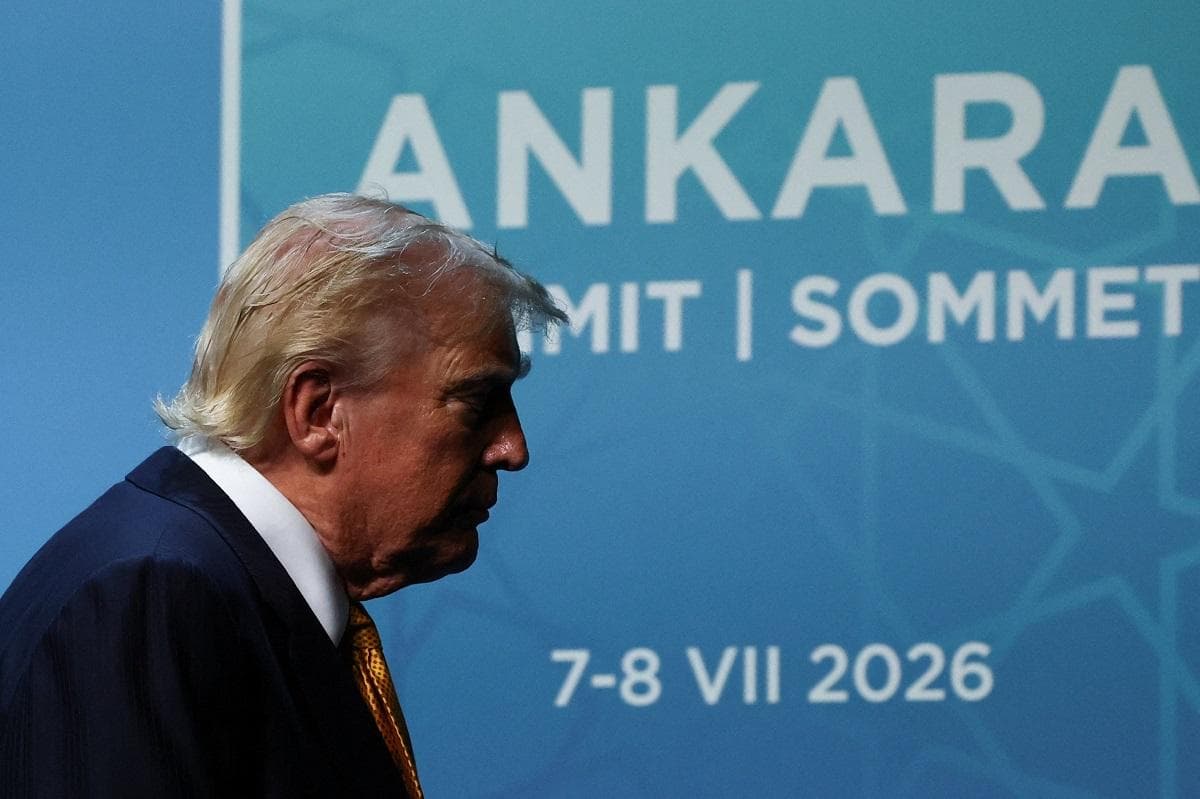
President Donald Trump announced late Saturday that the United States will postpone any fresh military strikes against Iran, contingent on reaching a rapid agreement to end Iran's nuclear ambitions and reopen the strategically vital Strait of Hormuz. Trump made the declaration on his Truth Social platform, revealing that Iran and other Middle Eastern nations had requested additional time to finalize a deal that would ensure the "Immediate, Complete and Total" reopening of the strait and an end to Iran's nuclear threat.
The announcement followed a phone call between Trump and Saudi Arabia’s Crown Prince Mohammed bin Salman, a key U.S. ally. Trump did not specify which other countries were involved in the request. He stated that, based on this appeal, he agreed to cancel the planned attack for the benefit of the world and the survival of a prosperous Iran, provided a deal could be swiftly reached.
This move marks a significant de-escalation after days of escalating threats from both sides in the ongoing conflict that the U.S. and Israel initiated five months ago. The war has expanded beyond the Gulf region, with attacks reported in the Red Sea and even at a Mediterranean facility in Egypt.
Iran has effectively closed the Strait of Hormuz, a critical maritime passage that previously handled about 20% of the world’s oil and liquefied natural gas exports. This closure has contributed to rising energy prices globally and exacerbated inflationary pressures.
Eli Cohen, Israel’s energy minister and a member of Prime Minister Benjamin Netanyahu’s security cabinet, confirmed close security and intelligence coordination between Israel and the U.S. regarding regional developments. However, Cohen emphasized that Israel remains prepared to act militarily if Iran attempts to restart its nuclear program or advance its ballistic missile capabilities, regardless of any diplomatic agreements.
Earlier in the week, Trump and Netanyahu met in Washington to explore all possible avenues to curb Iran’s nuclear ambitions, including diplomacy, economic sanctions, and military options. Tehran continues to deny any intention to develop nuclear weapons.
Iran’s acting defense minister, Brigadier General Majid Ebn Al-Reza, described recent U.S. threats as psychological warfare but acknowledged that Iran is taking them seriously. He stated that Iran would enhance its preparedness and deterrence capabilities rather than remain passive or caught off guard.
During the call with Trump, Crown Prince Mohammed bin Salman underscored the importance of prioritizing dialogue to reduce tensions in the Middle East, according to Saudi state media. A White House official confirmed the conversation but declined to provide further details.
At a cabinet meeting on Friday, Trump expressed confidence that U.S. negotiators—including his son-in-law Jared Kushner, special envoy Steve Witkoff, and Secretary of State Marco Rubio—could secure a deal with Iran.
The conflict’s impact on global energy markets has been significant. After an April ceasefire unraveled last month, benchmark Brent crude futures surged by 24%, with analysts forecasting further price increases throughout the year. Trump has defended the short-term economic pain caused by higher fuel costs as necessary to prevent Iran from acquiring nuclear weapons, though this stance has increased political pressure to find a resolution.
Compounding concerns in the energy sector, Iran’s Houthi allies in Yemen have recently threatened the Bab el-Mandeb strait, located at the southern end of the Red Sea near the Suez Canal, another critical route for Saudi crude oil exports.
The United Kingdom Maritime Trade Operations reported two maritime incidents off the coast of Oman on Saturday. One involved a tanker struck by an unidentified projectile that damaged its engine room. In the other, a tanker’s captain observed a large splash and explosion near the vessel, though no damage was reported.
These developments underscore the fragile security environment in the region as diplomatic efforts continue to seek a resolution to the conflict and restore stability to vital global energy supply routes.