
Ukraine’s Strike on Iranian Vessel in Caspian Sea Raises Fears of War Entanglement
AI-assisted original article by 1news, based on reporting from INQUIRER.net. Featured image credited to the source.
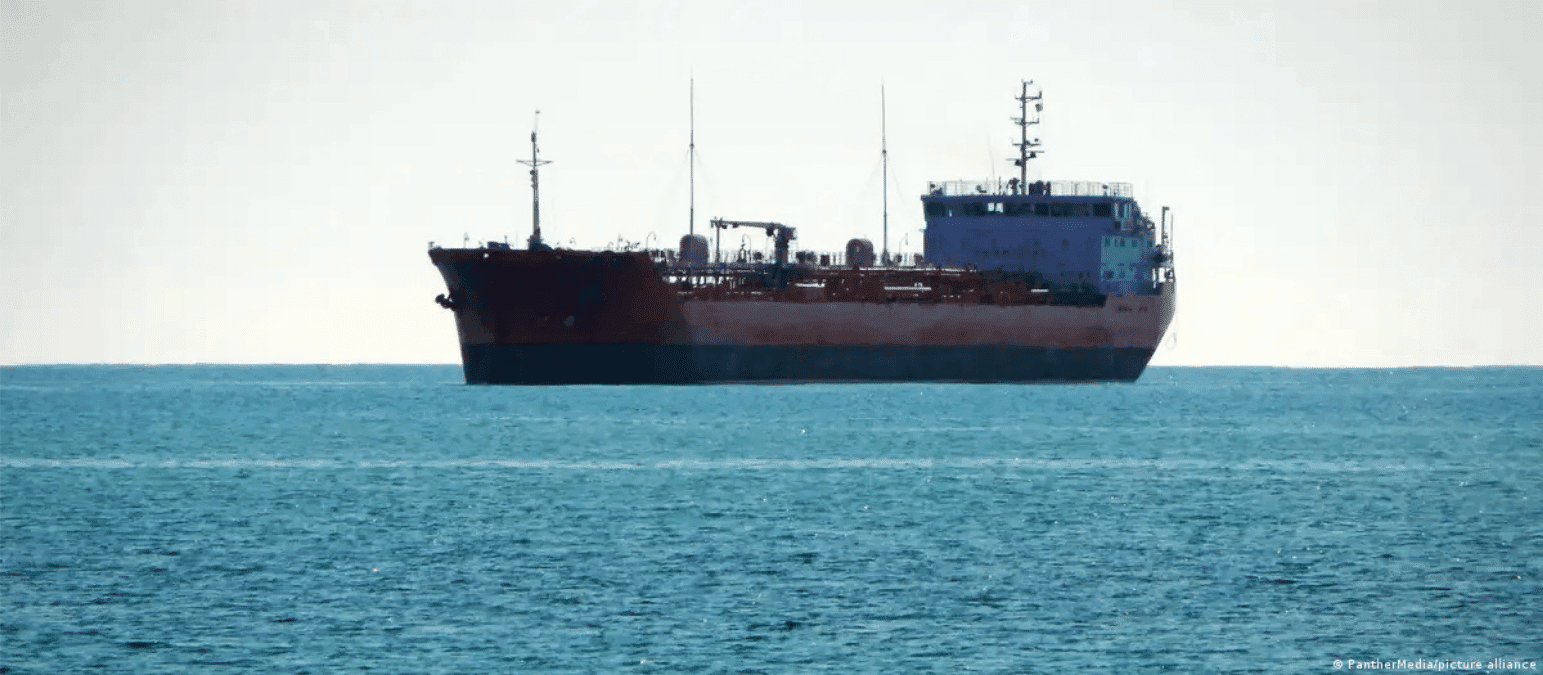
A recent Ukrainian drone attack on an Iranian cargo ship in the Caspian Sea has sparked concerns that the ongoing conflicts involving Russia, Ukraine, and Iran may be intersecting in a new and dangerous way. Ukraine claims the targeted vessel was transporting military equipment from Iran to Russia, intensifying tensions in a region critical to both Moscow and Tehran’s strategic interests.
Iranian state media, citing Iran’s ambassador to Russia Kazem Jalali, reported that the cargo ship named “Anna” was anchored about five kilometers from the Volga River’s entrance when it was struck by drones, resulting in an explosion and the death of one sailor. Following the incident, Iran summoned Ukraine’s charge d’affaires and condemned the attack as an act of aggression.
Ukrainian President Volodymyr Zelenskyy confirmed that Ukrainian forces had successfully executed long-range strikes against a Russian warship and vessels allegedly carrying military cargo, underscoring Kyiv’s intent to disrupt Moscow’s supply lines. Ukraine has long accused Iran of aiding Russia’s war effort by supplying and developing Iranian-designed drones, which Tehran acknowledges selling to Moscow but denies were intended for use in Ukraine.
Despite Tehran’s denials, Ukraine’s military has presented extensive evidence that Iranian Shahed drones have been deployed throughout the conflict, which has lasted over four years. In March 2026 alone, Russia launched nearly 950 attack drones, including Shahed and Gerber models, against Ukrainian targets within a 24-hour period, according to Ukraine’s Air Force.
Iran’s Foreign Ministry accused Ukraine of attempting to broaden the geographical scope of its war with Russia. Iranian Foreign Minister Abbas Araghchi stated that the attack on the Iranian vessel “cannot go unanswered.” However, experts suggest Tehran is unlikely to respond with immediate military retaliation against Ukraine.
Ahmad Vakhshiteh, director of the Moscow-based Center for Strategic Research on Developing Relations with the Middle East, told DW that Iran would probably opt for a diplomatic response rather than an emotional or military one. Tehran’s summoning of the Ukrainian diplomat and the potential to raise the issue at the UN Security Council support this view.
Ukrainian Foreign Minister Andrii Sybiha initially dismissed Iran’s accusations as unfounded but later softened his tone during a call with Iranian Foreign Minister Abbas Araghchi, emphasizing Ukraine’s desire to avoid unnecessary escalation with Iran. Ukrainian Middle East expert Ihor Semyvolos assessed the likelihood of an Iranian retaliatory strike on Ukraine as very low, noting that attacks on ships or ports in the Caspian Sea relate to Russia’s involvement, while a missile attack on Ukrainian territory would constitute a direct act of war and complicate matters for Iran.
Austrian military expert Markus Reisner echoed this assessment, stating that an Iranian missile strike on Ukraine is improbable despite Tehran’s possession of medium-range missiles. Reisner argued that Iran would prioritize other targets and that Ukraine’s attack does not signify its entry into the Iran war. Instead, Ukraine has been intensifying attacks on maritime facilities in the Sea of Azov and Black Sea since May, having struck around 200 Russian vessels, including ships, tankers, and tugboats.
Reisner explained that Ukraine’s objective is not to open a new front against Iran but to disrupt supply routes between Iran and Russia in the Caspian Sea. Moscow-based analyst Vakhshiteh suggested the attack signals an expansion of the Ukrainian war’s geography from the Black Sea to the Caspian Sea. Semyvolos agreed, finding it logical that Ukraine would seek to control sea lanes for arms deliveries and impose a naval blockade against Russia in the south.
There is no direct evidence that Ukraine coordinated the Caspian Sea operation with the United States, though Semyvolos noted that Ukraine likely used American intelligence data, implying U.S. awareness of the strike. Austrian analyst Reisner highlighted the timing of the attack as significant, interpreting it as a demonstration of Kyiv and Washington’s shared opposition to Iran. He also suggested the strike could be Ukraine’s way of showing it is a more reliable partner against Iran than some NATO countries.
Zelenskyy recently met with U.S. President Donald Trump in Washington amid improving relations between Kyiv and the Trump administration, coinciding with Ukraine’s battlefield advances. Ukrainian Foreign Minister Sybiha’s statements reflect Kyiv’s growing view of Iran and Russia as part of the same military ecosystem. Ukraine has also demonstrated increased capability in conducting long-range drone strikes deep inside Russian territory.
Semyvolos expects Ukraine to continue operations in the Caspian Sea, attributing the timing to Ukraine’s enhanced technical ability for long-range strikes. However, if Ukraine targets Iranian vessels again, Tehran faces a difficult strategic decision. Vakhshiteh warned that a direct Iranian military response against Ukraine risks opening a new front while Iran is already dealing with attacks in its southern regions. Instead, Iran might seek indirect ways to impose costs on Ukraine, such as targeting shipping linked to Ukrainian interests, though such actions carry significant escalation risks and no indication exists that Tehran has chosen this path.