
UNIQLO Launches Artisan Patches Celebrating Indigenous Filipino Craftsmanship from Luzon, Visayas, and Mindanao
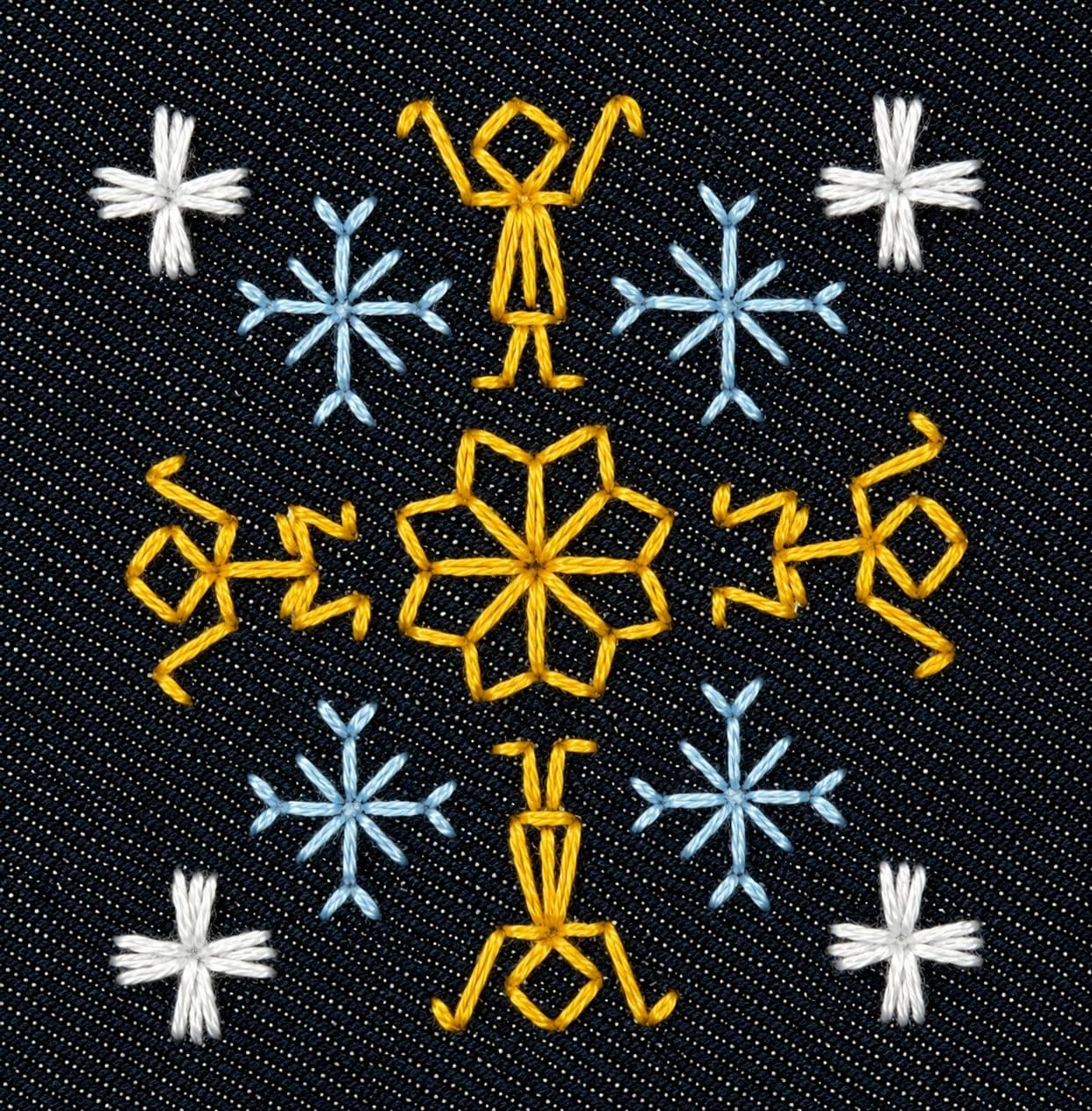
Indigenous weaving and embroidery in the Philippines represent more than decorative art; they embody centuries of oral tradition and cultural heritage passed down through generations. These handwoven textiles are crafted by local artisan communities, making each piece a unique and invaluable work of art. However, embroidered goods are often perceived as reserved for special occasions or difficult to access. UNIQLO’s latest collection challenges this notion by featuring handcrafted patches made by artisans from Luzon, Visayas, and Mindanao using traditional embroidery techniques and fabric scraps from its Re.UNIQLO sustainability program, which recycles old UNIQLO clothing.
The collection was developed to commemorate 70 years of diplomatic friendship between Japan and the Philippines. UNIQLO partnered with Davao-based creative director Wilson Limon, who has over a decade of experience working with ethno-linguistic groups. The collaboration was facilitated by the National Commission of Culture and the Arts (NCCA) under its School of Living Traditions (SLT) program, which supports community-based centers dedicated to preserving traditional arts, oral histories, and cultural heritage.
Wilson Limon explained that his goal in working with indigenous groups is to reinterpret traditional and ethnic designs in ways that resonate with contemporary Filipinos. Each patch is handmade, ensuring no two are identical, and reflects the distinct cultural narratives of the communities involved.
The Luzon patches were created by the Itneg artisans of Barangay Namarabar in Peñarrubia, Abra. Their embroidery features geometric patterns inspired by nature, animals, and human figures. Notably, the Kukko pattern symbolizes abundance, fertility, productivity, hard work, and agriculture, reflecting the community’s deep connection to their environment and livelihood.
In the Visayas, the Panay Bukidnon artisans from Calinog, Iloilo, contributed patches showcasing their centuries-old Panubok embroidery technique. Historically, Panubok was sewn using abaca fibers sourced from the lowlands before transitioning to more accessible threads. The floral motifs in their patches represent nature, oral traditions, and ancestral beliefs, preserving the cultural identity of the Panay Bukidnon people.
Mindanao’s representation comes from the T’boli artisans of Sitio Lem-ehek, Barangay Poblacion, Lake Sebu in South Cotabato. Their patches draw inspiration from the natural landscape, mountains, and wildlife surrounding their community, reflecting both their daily life and spiritual beliefs.
Wilson Limon emphasized that each patch is thoughtfully crafted to showcase the artistry, culture, and heritage of the respective communities. Priced at ₱300 each, all proceeds from the patch sales are returned directly to the artisan groups, supporting their livelihoods and the continuation of their craft.
As part of UNIQLO’s sustainability efforts, customers can bring their old UNIQLO LifeWear apparel to select stores in Makati, Pasay, Taguig, Cebu, and Davao to have the patches sewn onto their garments. This initiative marks UNIQLO Philippines’ first merchandise collection that highlights indigenous culture, expanding beyond previous collaborations with local brands and educational institutions.
Geraldine Sia, UNIQLO Philippines’ chief operating officer, stated that the brand aims to partner with local communities to give back and deepen its connection with Filipino culture. By tracing the country’s roots through regional artisan collaborations, UNIQLO hopes to make indigenous craftsmanship more accessible and appreciated by a wider audience.
The patches are available in limited quantities and will be sold until supplies last, offering a unique opportunity for consumers to wear pieces of Filipino heritage while supporting the preservation of traditional arts.
AI-assisted original article by 1news, based on reporting from Rappler. Featured image credited to the source.